As dental technology advances rapidly in 2026, dental implant solutions continue to lead the way in effective tooth restoration. Discover why they are considered the most reliable and long-lasting option for improving your oral health. If you have a missing tooth or multiple teeth that need attention, understanding your options is the first step toward a healthier smile.
Understanding Dental Implants in 2026
Dental implants are prosthetic replacements for missing teeth that are permanently fixed into your jawbone. They mimic natural teeth in both appearance and function, offering a superior alternative to traditional dentures or bridges. In 2026, the precision and materials used in dental implant procedures significantly improved, making them more accessible and successful than ever before.
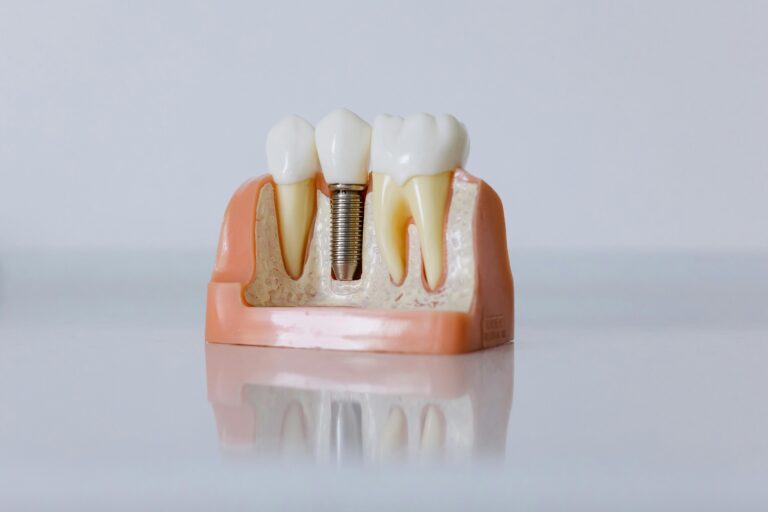
Typically, a dental implant consists of three parts: the titanium post (which acts as the tooth root), the abutment (which connects the post to the crown), and the dental crown (the visible part resembling a natural tooth). Advances in 2026 have refined each component to enhance durability and compatibility with your natural tissue.
Top 10 Benefits of Dental Implants in 2026 You Can’t Miss
1. Enhanced Durability and Longevity
Modern materials and improved surgical techniques in 2026 ensure that dental implants can last 20 years or more with proper care. Compared to traditional dentures, which often need frequent replacements, implants are a longer-lasting tooth replacement solution.
2. Preservation of Jawbone Density
When a tooth is lost, the jawbone can deteriorate over time. A dental implant stimulates the jawbone similarly to natural roots, preventing bone loss and maintaining facial structure. This is a critical advantage over a removable denture, which sits on top of the gums and does not provide this stimulation.
3. Improved Chewing Function
Implants restore your ability to chew effectively, allowing you to enjoy a wider variety of foods without discomfort or worry about denture slippage. Because the artificial teeth are anchored securely, you can bite into apples and chew steak with confidence.
4. Natural Appearance and Feel
In 2026, advances in smile design and implant customization make dental implants virtually indistinguishable from natural teeth, boosting confidence and aesthetics. They are designed to look and feel just like natural teeth.
5. Enhanced Speech Clarity
Unlike some dentures that can slip or cause speech issues, dental implants provide a stable foundation that improves clarity and pronunciation. You can speak freely without the fear that your teeth might move or click.
6. Ease of Maintenance
Dental implants require the same oral hygiene practices as natural teeth—brushing, flossing, and regular dentist check-ups—making maintenance straightforward. You simply clean around the implant just as you would a natural tooth.
7. Increased Comfort
Because they are securely anchored into the jawbone, dental implants eliminate the discomfort associated with removable dentures. There is no friction on the gums, and no need for messy adhesives.
8. Boosted Self-Confidence
Restoring missing teeth with implants revitalizes your smile, which positively impacts personal and professional interactions. You don’t have to hide your smile or worry about a gap from a missing tooth.
9. High Success Rate in 2026
The success rate of the dental implant procedure has reached approximately 98% in 2026, thanks to innovations such as guided surgery and improved biomaterials. This makes dental implant surgery one of the most predictable treatments in dentistry.
10. Minimized Impact on Adjacent Teeth
Unlike traditional bridges that require grinding down neighboring teeth, implants are standalone solutions that preserve adjacent healthy teeth. A single tooth implant supports itself, leaving your other teeth untouched.
How Dental Implants Improve Oral Health
Dental implants significantly enhance overall oral health beyond just filling the gap of a missing tooth. They help in:
- Maintaining jawbone integrity: Preventing facial sagging and wrinkles.
- Preventing shifting: Stopping remaining teeth from moving into the gap, which can lead to bite problems and further tooth loss.
- Reducing gum disease risk: By providing a stable foundation that is easier to clean around.
- Supporting adjacent structures: Ensuring your entire dental framework remains healthy and functional.
In 2026, ongoing research also indicates that dental implants may positively influence overall systemic health by reducing inflammation and lowering the risk of certain chronic diseases linked to poor oral health.
The Latest Advances in Dental Implant Technology
The field of dental implantology has seen tremendous progress in 2026. Some notable innovations include:
- 3D imaging and planning software: Allowing for precise implant placement tailored to your anatomy.
- Biocompatible materials: Such as zirconia implants, which offer aesthetic and hypoallergenic benefits.
- Improved osseointegration techniques: Accelerating healing times and enhancing implant stability.
- Laser-assisted surgery: Minimizing trauma during the surgical procedure, reducing discomfort, and promoting faster recovery.
- Digital smile design: Creating customized, natural-looking crowns that perfectly fit your facial features.
Caring for Your Dental Implants for Longevity
Proper maintenance is crucial to ensure your dental implants serve you well into the future. In 2026, minimal invasive cleaning procedures, along with routine dentist check-ups, are recommended:
- Brush twice daily with a soft-bristled toothbrush and low-abrasion toothpaste.
- Floss daily using implant-specific floss or water flossers.
- Attend regular dental evaluations, ideally every six months, to monitor implant health.
- Avoid hard foods or substances that can damage the crown or surrounding bone.
- Quit smoking, as it can impair healing and reduce the lifespan of your implants.
With attentive care and regular professional guidance, your dental implants can last decades, offering a reliable investment in your oral health.
Is a Dental Implant Right for You? Insights for 2026
Whether or not a dental implant is suitable depends on several factors, including your overall health, jawbone density, and personal preferences. In 2026, advanced diagnostic tools make it easier for dental professionals to evaluate candidacy accurately and plan minimally invasive implant procedures for optimal outcomes.
If you have sufficient jawbone volume and good general health, dental implants are usually a favorable option. Conversely, for those with significant bone loss, procedures like bone grafting are now more refined and can prepare the site for successful dental implant placement. Even if one implant may not work, another type of implant could be the solution. Consult with your dentist or healthcare provider to explore personalized treatment plans and determine if dental implants are the best solution for restoring your smile in 2026.
Whether you need to replace missing teeth, fix a single tooth, or secure a denture, there is likely a type of dental implant solution that fits your needs. At AIDM, we have board-certified dental specialists covering implant care and restorative dentistry. They work as your personal team of specialists to get you affordable and customized solutions.