
PERIODONTICS IN AUSTIN, TX
Healthier gums.
A stronger foundation for your smile.
From bleeding and receding gums to advanced periodontal disease, AIDM® provides personalized gum care designed to control disease, protect supporting bone and help preserve your natural teeth.
Clinically reviewed by Dr. Allen S. Honigman, DDS, MS, Periodontics Faculty · Last reviewed November 25, 2026
Periodontics at AIDM®
Healthy teeth need healthy gums.
Your gums and supporting bone form the foundation that keeps your teeth stable.
When periodontal disease develops, inflammation and infection can gradually damage these supporting tissues—sometimes before you notice significant discomfort.
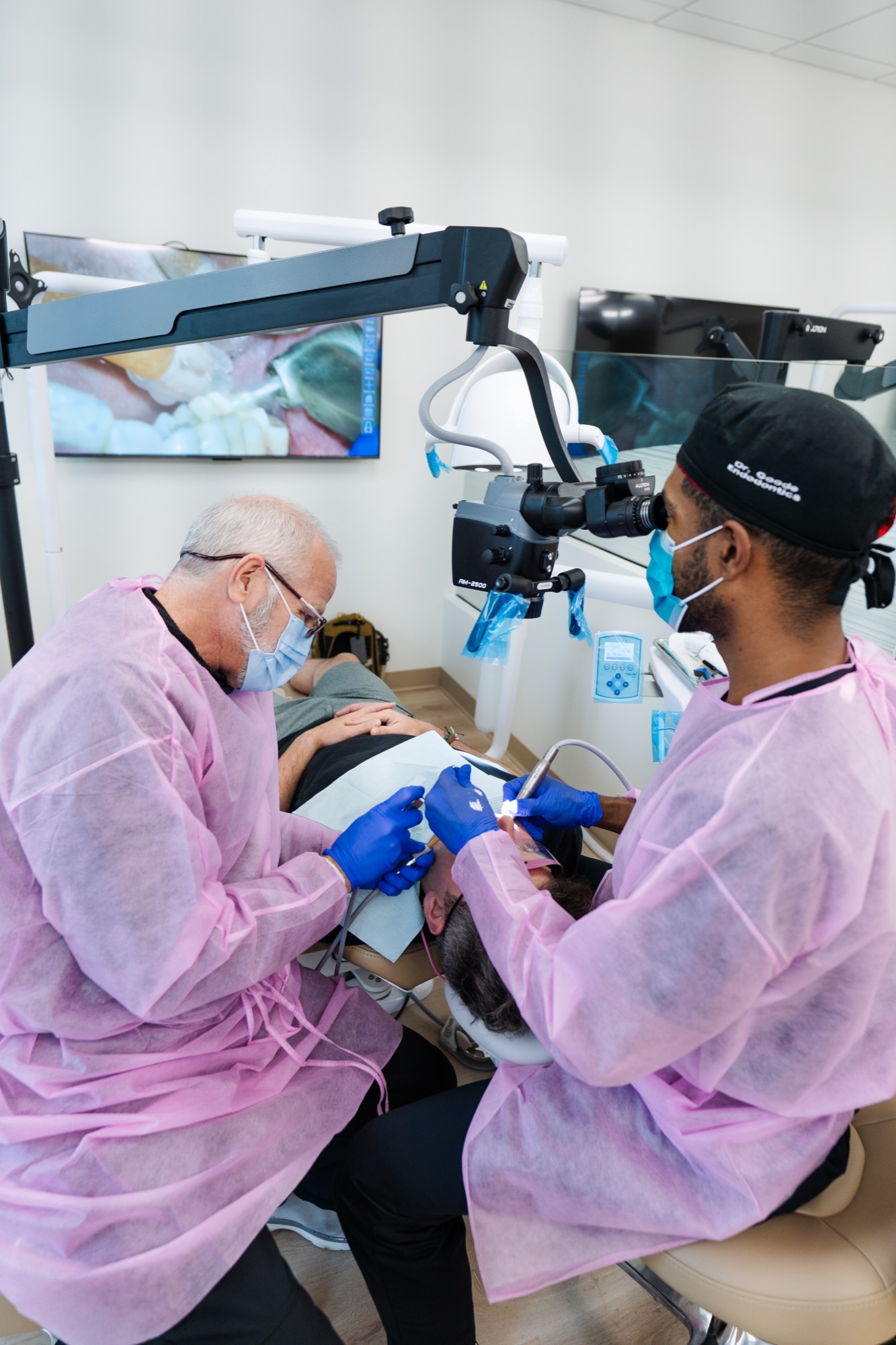
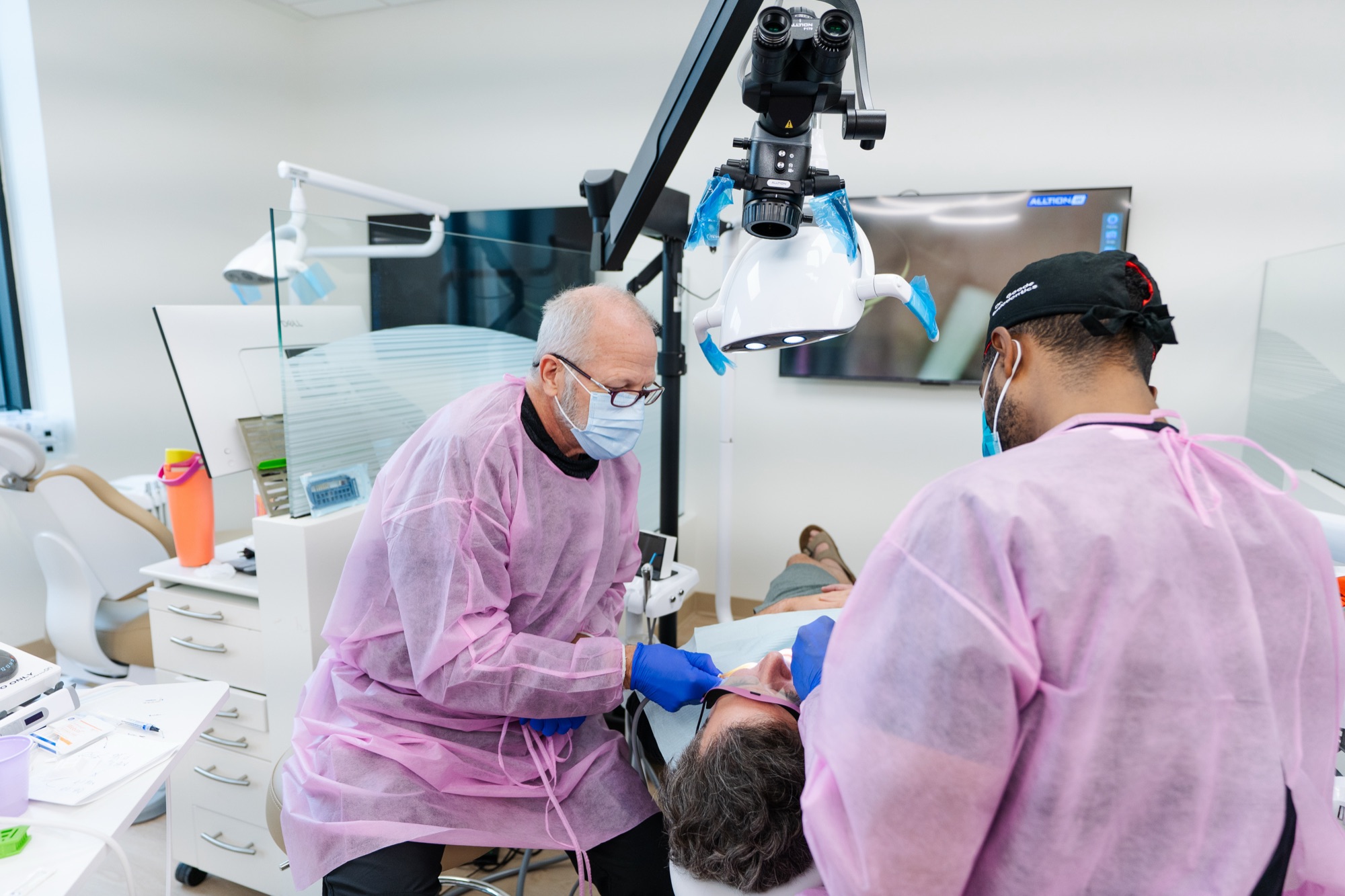
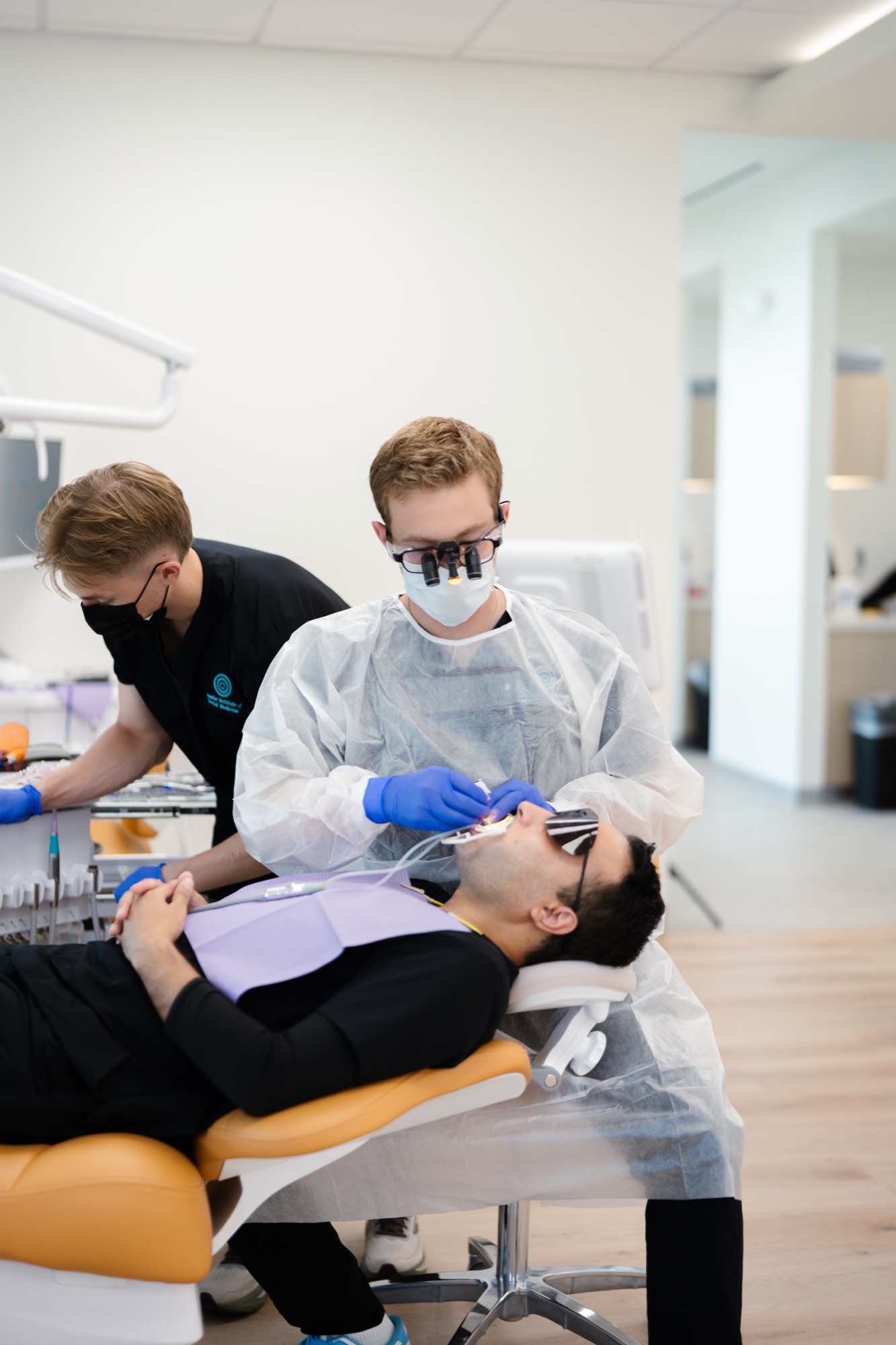
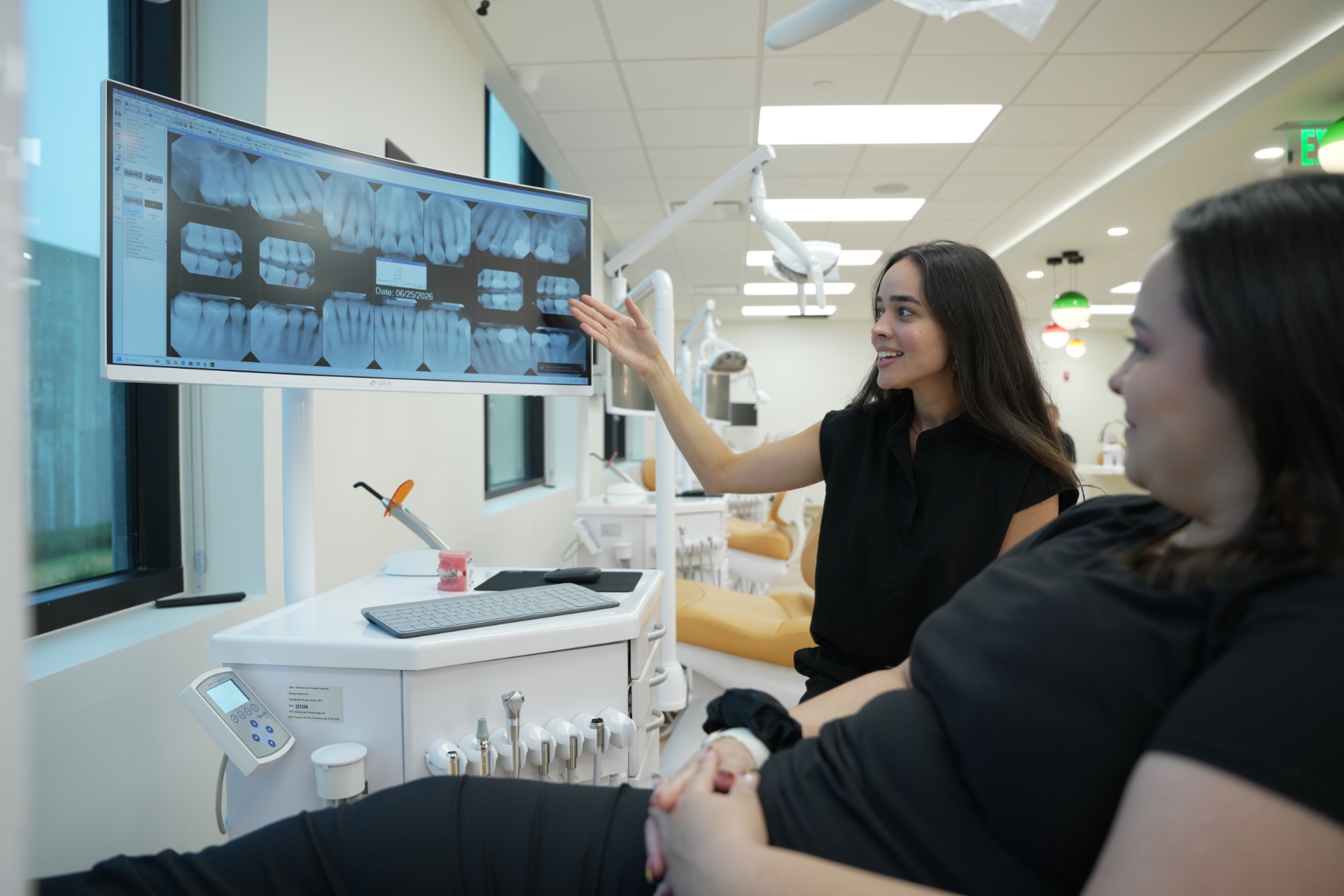
At Austin Institute of Dental Medicine, periodontal care begins by understanding the health of your gums, measuring the areas around your teeth and evaluating supporting bone when appropriate.
From preventive care and deep cleaning to laser therapy, gum grafting and surgical treatment, we’ll recommend an approach based on the stage of disease and your individual needs.
Warning Signs
Could your gums be telling you something?
Gum disease can progress quietly. You don’t need to have severe pain before getting evaluated.

Bleeding Gums
Gums that frequently bleed during brushing or flossing may be showing signs of inflammation.

Red or Swollen Gums
Persistent redness, tenderness or swelling can indicate unhealthy gum tissue.

Receding Gums
If your teeth appear longer or the roots are becoming visible, gum recession may be occurring.

Persistent Bad Breath
Ongoing bad breath can sometimes be associated with bacteria accumulating around and below the gumline.

Loose or Shifting Teeth
Advanced periodontal disease can damage the tissues and bone supporting your teeth.

Changes in Your Bite
If your teeth begin fitting together differently, supporting tissues should be evaluated.
Benefits
Why treat periodontal disease?
Protect the foundation before more support is lost.
01
Control Inflammation
Periodontal treatment helps reduce bacterial buildup and inflammation around your teeth and gums.
02
Preserve Natural Teeth
Controlling periodontal disease can help protect the tissues and bone that support your teeth.
03
Reduce Bleeding & Tenderness
Healthier gums are generally less likely to bleed, swell or feel persistently tender.
04
Protect Supporting Bone
Advanced gum disease can lead to bone loss around teeth. Treatment focuses on controlling disease and preserving remaining support.
05
Maintain Long-Term Gum Health
Ongoing periodontal maintenance can help control disease after active treatment is completed.
Understanding Gum Disease
Gum disease doesn’t happen all at once.
Periodontal disease can progress through different stages. Earlier detection often means treatment can be more conservative.
Gingivitis
Early gum inflammation. Gums may become red, swollen or bleed easily. At this stage, the supporting bone has not experienced the destruction associated with periodontitis, and improved home care combined with professional treatment may help restore gum health.
Periodontitis
Disease affecting the supporting tissues. As gum disease progresses, deeper spaces can form around the teeth where bacteria accumulate. The tissues and bone supporting the teeth may begin to deteriorate. Treatment may require deep cleaning, periodontal maintenance or additional therapy depending on disease severity.
Advanced Periodontitis
Significant loss of support. More advanced disease can lead to greater bone loss, gum recession, tooth mobility and eventually tooth loss. At this stage, surgical or regenerative periodontal treatment may be considered when clinically appropriate.
Periodontal Treatments
Treatment matched to the health of your gums.
Not every patient with gum disease needs surgery.
Your treatment depends on the severity and location of disease, your supporting bone, gum anatomy and response to previous care.

Scaling & Root Planing
Deep cleaning below the gumline.
Scaling and root planing is a non-surgical treatment commonly used for periodontal disease.
Plaque and hardened deposits are carefully removed from below the gumline, and affected root surfaces are cleaned to help create a healthier environment for the gums.
May be appropriate for:
- Periodontal pockets
- Bleeding or inflamed gums
- Buildup below the gumline
- Early to moderate periodontitis

Gum Contouring
Create a more balanced gumline.
For patients concerned about uneven or excessive gum tissue, gum contouring can reshape selected areas of the gumline.
The goal is to create more balanced proportions between the teeth and gums while respecting periodontal health.
LANAP® Laser Gum Therapy
A laser-based option for selected periodontal cases.
LANAP—Laser-Assisted New Attachment Procedure—uses specialized laser technology as part of periodontal treatment.
The laser is designed to target diseased tissue while helping preserve healthy surrounding tissue.
For appropriately selected patients, LANAP may provide an alternative to conventional periodontal surgery.
Potential advantages may include:
- Minimally invasive treatment
- No traditional scalpels in the treated area
- Reduced bleeding
- Preservation of healthy gum tissue
- Potentially more comfortable recovery
Whether LANAP is appropriate depends on your periodontal condition and treatment needs.
Periodontal Surgery
Treat deeper or more advanced periodontal problems.
When non-surgical treatment alone isn’t sufficient, periodontal surgery may be recommended.
Depending on your condition, surgical treatment may be used to:
- Improve access to deep periodontal areas
- Reduce periodontal pocket depth
- Manage advanced disease
- Address damaged supporting tissues
- Support regenerative procedures when appropriate
Your periodontal evaluation determines whether surgical treatment is necessary.
Gum Grafting
Protect exposed roots and rebuild the gumline.
Gum recession can expose tooth roots, create sensitivity and affect the appearance of your smile.
Gum grafting adds tissue to selected areas to improve coverage and protect vulnerable root surfaces.
Treatment may help:
- Cover exposed roots
- Reduce further recession risk
- Improve gum thickness
- Reduce root sensitivity in appropriate cases
- Improve gumline appearance
Crown Lengthening
Create the right balance of tooth and gum tissue.
Crown lengthening reshapes gum tissue—and sometimes supporting bone—to expose more of a tooth.
It may be performed for restorative reasons when additional tooth structure needs to be accessible for treatment, or for selected aesthetic concerns involving the gumline.
01
Schedule your evaluation
Tell us about bleeding, recession, sensitivity, previous gum treatment or any changes you’ve noticed.
02
Evaluate your gums
We examine your teeth and gums and assess the tissues supporting your smile. Periodontal measurements are taken when appropriate.
03
Assess supporting bone
Dental X-rays or other imaging may be used to evaluate bone levels and identify areas affected by periodontal disease.
04
Build your treatment plan
We’ll explain the stage of disease, recommended treatment options and what you can do at home to support your gum health.
05
Treat the disease
Your treatment may involve scaling and root planing, localized therapy, laser treatment, periodontal surgery or another procedure based on your needs.
06
Maintain your results
Periodontal disease often requires ongoing professional maintenance. We’ll recommend a recall schedule based on your disease history and risk factors.
Periodontal Maintenance
Treatment doesn’t end when your gums feel better.
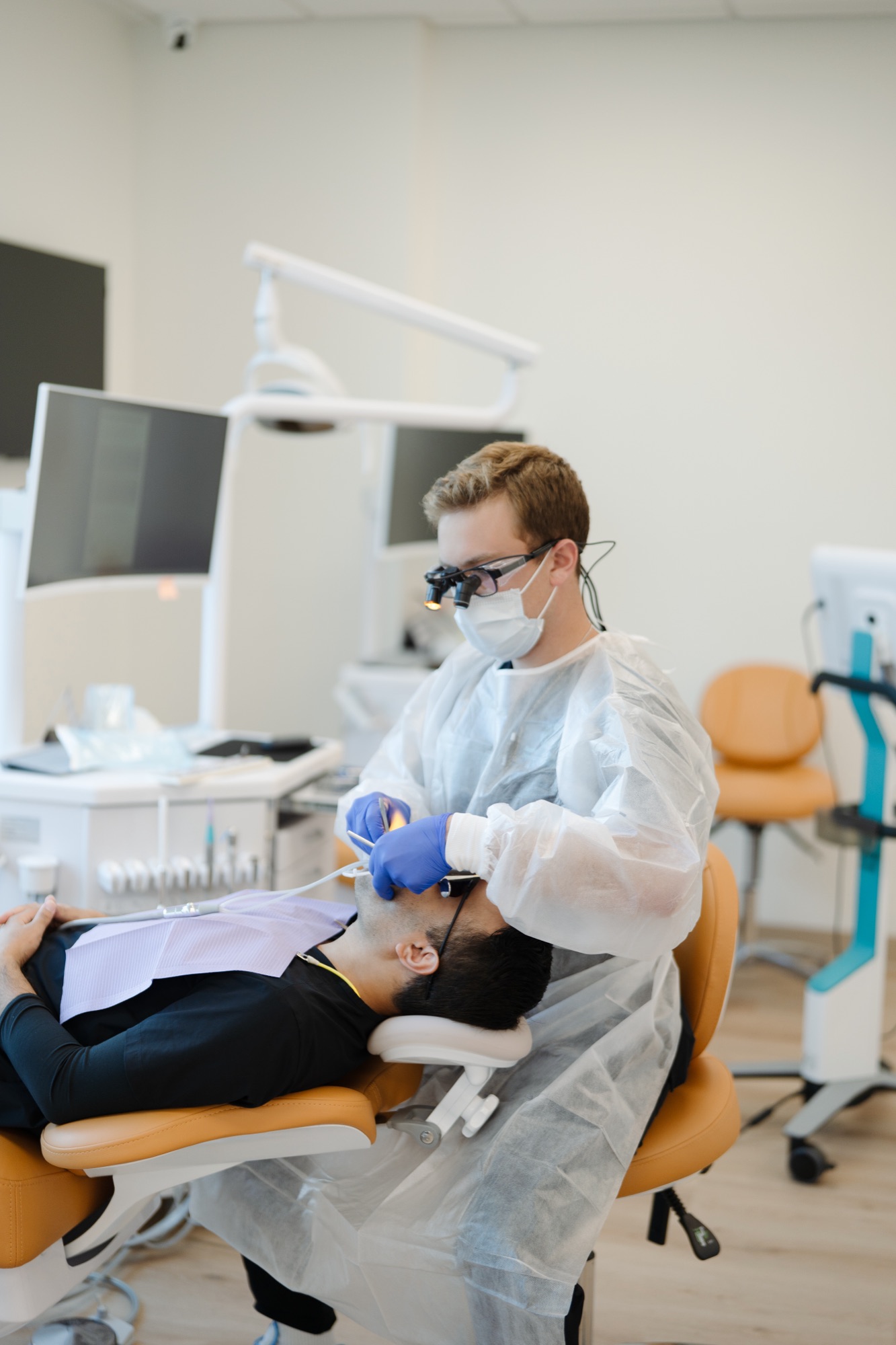
Once periodontal disease has been brought under control, maintaining that improvement becomes an important part of protecting your teeth.
Periodontal maintenance visits are different from routine preventive cleanings and may be recommended more frequently based on your disease history.
Your maintenance plan may include:
Periodontal Monitoring
We continue measuring and evaluating the health of the tissues around your teeth.
Professional Cleaning
Bacterial deposits are removed from areas that are difficult to manage effectively at home.
Personalized Home Care
We’ll recommend brushing, interdental cleaning and other tools based on your individual needs.
Risk-Factor Management
Smoking, previous periodontal disease, certain health conditions and other factors can affect periodontal risk and may influence how frequently we recommend monitoring.
Pricing
Personalized periodontal care starts with the right diagnosis.
Periodontal treatment costs vary because gum disease can range from mild inflammation requiring conservative care to advanced disease requiring surgical or regenerative treatment.
Periodontal Evaluation
Personalized Treatment Plan
Your evaluation may include, when clinically appropriate:
- Gum health assessment
- Periodontal measurements
- Review of symptoms and risk factors
- Appropriate dental imaging
- Evaluation of supporting bone
- Personalized treatment recommendations
- Cost and insurance review
What Affects Your Cost
Your final cost depends on factors such as:
- Type and severity of periodontal disease
- Number of areas requiring treatment
- Scaling and root planing needs
- Laser therapy
- Gum grafting
- Periodontal surgery
- Regenerative procedures
- Periodontal maintenance requirements
Insurance & Financing
Understand your treatment before you begin.
Many periodontal procedures are performed to treat active dental disease and may qualify for dental insurance benefits.
Coverage varies by procedure and individual plan.
Insurance Benefits
Our team can help review applicable periodontal benefits and provide an estimate of expected patient responsibility.
Financing Options
Financing may be available for qualifying treatment.
Phased Treatment
When several areas require care, your treatment may be organized into appropriate phases based on clinical priorities.
Periodontics at AIDM®
Gum care connected to your complete dental health.
Periodontal disease doesn’t exist separately from the rest of your mouth.
The health of your gums can affect whether teeth can be predictably restored, whether implants are appropriate and how other dental treatment should be planned.
At AIDM®, periodontal care can be coordinated with restorative dentistry, dental implants, orthodontics and other appropriate treatment within the institute.
A different standard of dental medicine
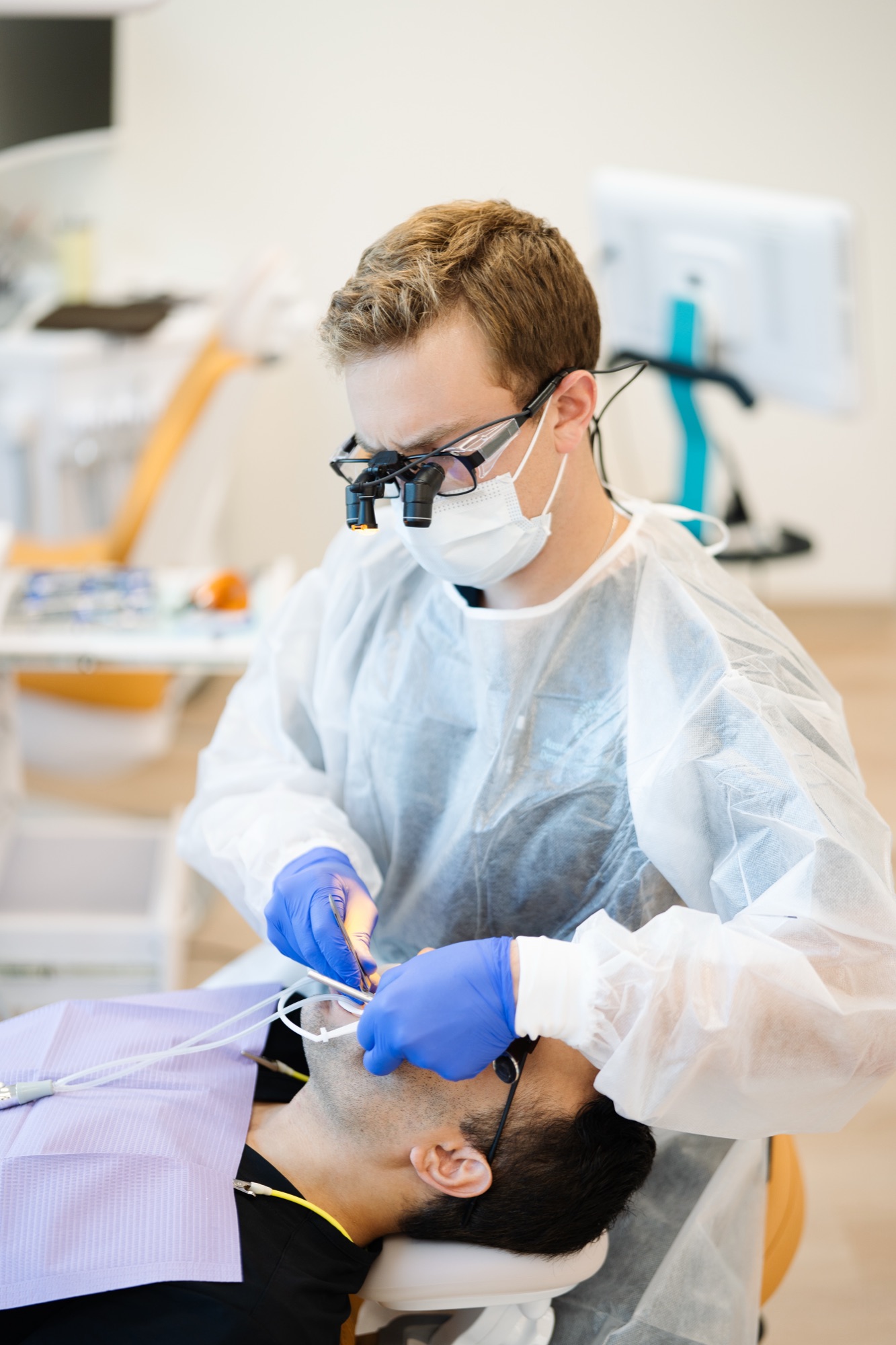
Featuring our clinical faculty
Why AIDM®
Periodontal care inside a full dental institute.
Comprehensive Diagnosis
Periodontal measurements, clinical examination and appropriate imaging help us understand both your gum tissue and the supporting structures around your teeth.
Advanced Treatment Options
Care can range from non-surgical deep cleaning to laser therapy, grafting and surgical periodontal procedures when appropriate.
Connected Care
When gum treatment needs to happen before implants, restorative dentistry, orthodontics or another procedure, your care can be coordinated within AIDM®.
Gum Health & Overall Health
Your gums are part of your overall health picture.
Periodontal disease is a chronic inflammatory condition affecting the tissues that support your teeth.
Research has identified associations between periodontal disease and certain systemic conditions, including diabetes and cardiovascular disease.
These relationships are complex, and periodontal treatment should not be presented as a treatment or cure for systemic disease.
The practical goal is clear: control inflammation and infection in your mouth, protect the tissues supporting your teeth and maintain better oral health over time.
“This was my first visit, and I had an amazing experience! Everyone was incredibly thorough during my consultation and took the time to explain all of the treatment options available for my situation. Dr. Bruneman was wonderful, and I…”
“Super grateful for my smooth experience at The Austin Institute of Dental Medicine. Shout out to the wonderful Dr. Qadi for her amazing work, attention to detail and professionalism. Her assist Tammy did a great job of ensuring my comfort…”
“Exceptional Care, Compassion, and Professionalism! I cannot express enough gratitude for the exceptional care my father received at Austin Institute of Dental Medicine. From the very first phone call to schedule an urgent appointment…”
“My main dentist was amazing and there were multiple professionals checking everything and making sure I got what I needed, everything was very clear, on pricing and communication. Great dental office, every staff member was very nice. I…”
“I was nervous an excited to go at the same time because I've been wanting my teeth fixed but I did not know what to expect. From the reception desk to Dr Dylan c McMahan both made me feel very welcoming and did a great job with my x-rays…”
“Dra. Guerrero and Tamy were awesome! Will definitely be back”
“I had such an amazing experience getting all four of my wisdom teeth extracted!! Stephanie Guerrero was amazing and made sure I was taken care of the entire way through, while answering all my questions, since it was my first time going…”
“Thank you very much to everyone, beautiful staff, excellent experience, and a giant thank you to Tammy, I didn't know I needed you until you showed up.”
“So nice, friendly and well educated versus other orthodontists that my daughter has been too. Thank you for seeing what others didn't. Would recommend this place to anyone in the Austin area.”
“I had a great experience with Dr. Nick Perron at AIDM! I got my braces here, and I couldn’t be happier with the care I received. Dr. Perron is very professional, knowledgeable, and genuinely cares about his patients. He always made sure I…”
“Dr.kalamchi,Dr.elhassan,Dr.apolonio, all did a wonderful job fixing my root canal and cleaning my teeth, took there time to make sure everything was done to perfection I greatly appreciated that”
“Dr. Yoo and his assistant Tammy were absolutely amazing. They walked me through the process of everything very well and were also incredibly professional.”
Periodontal Treatments
Periodontal treatment options compared
Your periodontal evaluation determines which treatment, or combination of treatments, is appropriate.
| Scaling and root planing | LANAP® laser gum therapy | Periodontal surgery | |
|---|---|---|---|
| What it is | Non-surgical deep cleaning below the gumline | Laser-Assisted New Attachment Procedure | Surgical treatment of deeper or more advanced periodontal problems |
| May be appropriate for | Periodontal pockets, bleeding or inflamed gums, buildup below the gumline, early to moderate periodontitis | Selected cases; may provide an alternative to conventional periodontal surgery | When non-surgical treatment alone isn’t sufficient |
| Notes | A commonly used first treatment for periodontal disease | Minimally invasive; no traditional scalpels in the treated area; reduced bleeding | May reduce pocket depth, manage advanced disease and support regenerative procedures |
This comparison provides general information and is not a treatment recommendation. Suitability, timeline and outcome depend on individual clinical factors. Final treatment and fees are confirmed after clinical evaluation.
Common questions about periodontics at AIDM®
What is periodontal disease?
Periodontal disease is an inflammatory disease affecting the gums and other tissues supporting your teeth.
It can begin as gingivitis and progress to periodontitis, which can damage supporting bone and eventually contribute to tooth loss if not appropriately managed.
Why do my gums bleed when I brush?
Bleeding can be a sign of gum inflammation, particularly when it happens regularly.
It may also have other causes, so persistent bleeding should be evaluated rather than ignored.
Can gum disease be treated without surgery?
Often, yes.
Depending on the stage of disease, treatment may begin with improved home care, professional cleaning, scaling and root planing or other non-surgical approaches.
More advanced cases may require additional treatment.
What is scaling and root planing?
Scaling and root planing is a deep-cleaning procedure used to remove bacterial deposits from below the gumline and clean affected root surfaces.
It is commonly used as an initial treatment for periodontitis.
What is LANAP?
LANAP stands for Laser-Assisted New Attachment Procedure.
It uses specialized laser technology as part of periodontal treatment and may provide a minimally invasive option for selected patients with periodontal disease.
A periodontal evaluation is necessary to determine whether you’re a candidate.
Can receding gums grow back?
Lost gum tissue generally does not simply regenerate to its original position on its own.
Depending on the cause and severity of recession, gum grafting or another periodontal procedure may be considered to improve coverage and protect exposed roots.
Do I need a gum graft?
Not everyone with recession needs grafting.
The decision depends on factors such as the amount and progression of recession, tissue thickness, sensitivity, root exposure and your overall treatment needs.
How often will I need periodontal maintenance?
The appropriate schedule depends on your periodontal history, current gum health and risk factors.
Patients with a history of periodontitis may need maintenance more frequently than the standard six-month preventive schedule.
Can gum disease cause tooth loss?
Yes.
Advanced periodontal disease can damage the bone and other structures supporting your teeth. As support is lost, teeth can become mobile and may eventually be lost.
Early diagnosis and ongoing management can help protect remaining support.
Is periodontal treatment covered by insurance?
Many dental insurance plans provide benefits for medically necessary periodontal treatment, but coverage varies by procedure and plan.
Our team can help review your applicable benefits before treatment begins.

Take the next step
Don’t wait for gum disease to become painful.
Bleeding, recession, persistent bad breath or changes around your teeth can be early signs that your gums need attention.
Start with a periodontal evaluation.
We’ll assess your gum health, explain what we find and recommend the most appropriate treatment—from conservative care to advanced periodontal therapy when necessary.