
FULL MOUTH RESTORATION IN AUSTIN, TX
Rebuild your smile.
Restore how everything works together.
When damaged, worn or missing teeth affect more than one part of your smile, treating one tooth at a time may not be enough.
Full mouth restoration brings multiple treatments together into one carefully coordinated plan—designed around your comfort, function and long-term dental needs.
Clinically reviewed by Dr. Edgar P. O’Neill, DDS, MS, FACP, Prosthodontics Program Director · Last reviewed November 25, 2026
Full Mouth Restoration at AIDM®
When several dental problems overlap, start with one complete plan.
Maybe you’re missing several teeth. Maybe years of grinding have worn your teeth down. Or perhaps you’ve accumulated crowns, fillings, missing teeth and other dental problems over many years—and you’re no longer sure where to begin.
You don’t need to figure it out yourself.
Full mouth restoration looks at your entire smile rather than treating each problem independently. At Austin Institute of Dental Medicine, we evaluate your teeth, gums, supporting bone, bite and existing dental work before developing a coordinated treatment plan.
Your restoration may combine several procedures, completed in a carefully planned sequence.
The goal: rebuild a smile that looks natural, feels comfortable and functions together.

Who It’s For
Could full mouth restoration be right for you?
Full mouth restoration is generally designed for patients whose dental needs affect multiple teeth or several parts of their smile.

Multiple Missing Teeth
Several missing teeth—or widespread tooth loss—may require a combination of implant and restorative solutions.
Severely Worn Teeth
Years of grinding, clenching, erosion or other factors can significantly change tooth structure and bite.
Broken or Failing Teeth
Multiple fractured, decayed or heavily restored teeth may need to be rebuilt as part of one comprehensive plan.
Difficulty Chewing
Missing teeth, worn teeth or an unstable bite can make everyday eating uncomfortable or inefficient.
Bite Problems
Uneven tooth contacts or changes in the way your teeth come together may contribute to wear or functional concerns.
Years of Complex Dental Work
If you’ve accumulated fillings, crowns, bridges, missing teeth and other treatments over time, comprehensive planning can help determine what should stay, what needs attention and what comes next.
Benefits
Why restore your smile as one connected system?
01
Restore Function
Rebuild damaged and missing teeth to improve everyday biting, chewing and oral function.
02
Rebuild Worn Teeth
Restore lost tooth structure and protect teeth affected by significant wear or damage.
03
Replace Missing Teeth
Integrate implants, bridges or dentures into the larger restorative plan when appropriate.
04
Improve Bite Balance
Consider how your restored teeth come together rather than treating individual teeth in isolation.
05
Create One Clear Plan
Coordinate multiple procedures in a logical sequence so you understand what happens first, what comes next and why.
The Big Picture
Full mouth restoration isn’t one procedure.
It’s a personalized combination of treatments.
Your plan depends on what can be preserved, what needs repair, what needs replacement and what supporting treatment is necessary first.

Rebuild weakened or worn teeth.
Dental Crowns & Onlays
Crowns and onlays can restore teeth affected by fractures, decay, significant wear or previous dental treatment.
Rather than designing each restoration independently, full mouth treatment considers how multiple restored teeth need to function together.

Replace missing teeth with a stable foundation.
Dental Implants
Dental implants may be incorporated when one or more teeth need replacement.
Depending on your needs, implants can support:
- Individual crowns
- Implant-supported bridges
- Implant-supported dentures
- Full-arch restorations
Implant position can be planned with the final restoration and overall bite in mind.
Restore larger areas of missing teeth.
Bridges & Dentures
Not every patient needs—or is a candidate for—the same tooth-replacement solution.
Fixed bridges, removable dentures and implant-supported restorations can each play a role depending on your remaining teeth, anatomy and treatment goals.
Build on a healthier foundation.
Periodontal Treatment
Healthy gums and supporting bone are important to restorative treatment.
If periodontal disease, gum recession or supporting-tissue concerns are present, periodontal care may need to happen before or alongside restorative treatment.
Preserve appropriate natural teeth.
Root Canal Therapy
A tooth with internal inflammation or infection doesn’t automatically need to be removed.
When the tooth can be predictably restored, root canal therapy may allow it to remain part of the final reconstruction.
Consider how your teeth work together.
Bite Correction
Restoring several teeth without considering the bite can leave the bigger functional problem unresolved.
Depending on your needs, treatment may involve restorative changes, orthodontic treatment, occlusal adjustments or another approach to improve how your teeth come together.
Save, Repair or Replace?
Every tooth has a role in the final plan.
A major part of full mouth restoration is determining what should happen to each tooth.
Save
Healthy or predictably treatable natural teeth can remain part of your restored smile.
Repair
Damaged teeth may be rebuilt with fillings, onlays, crowns, root canal treatment or other appropriate care.
Replace
Teeth that are already missing—or cannot be predictably restored—may be replaced with implants, bridges, dentures or another appropriate solution.
We evaluate these decisions together rather than one tooth at a time.
01
Tell us your story
We start with what’s bothering you. That might be difficulty chewing, missing teeth, worn teeth, pain, old dental work—or simply feeling overwhelmed by everything that needs attention.
02
Evaluate the complete picture
We examine your teeth, gums, bite, existing restorations and overall oral health.
03
Capture detailed records
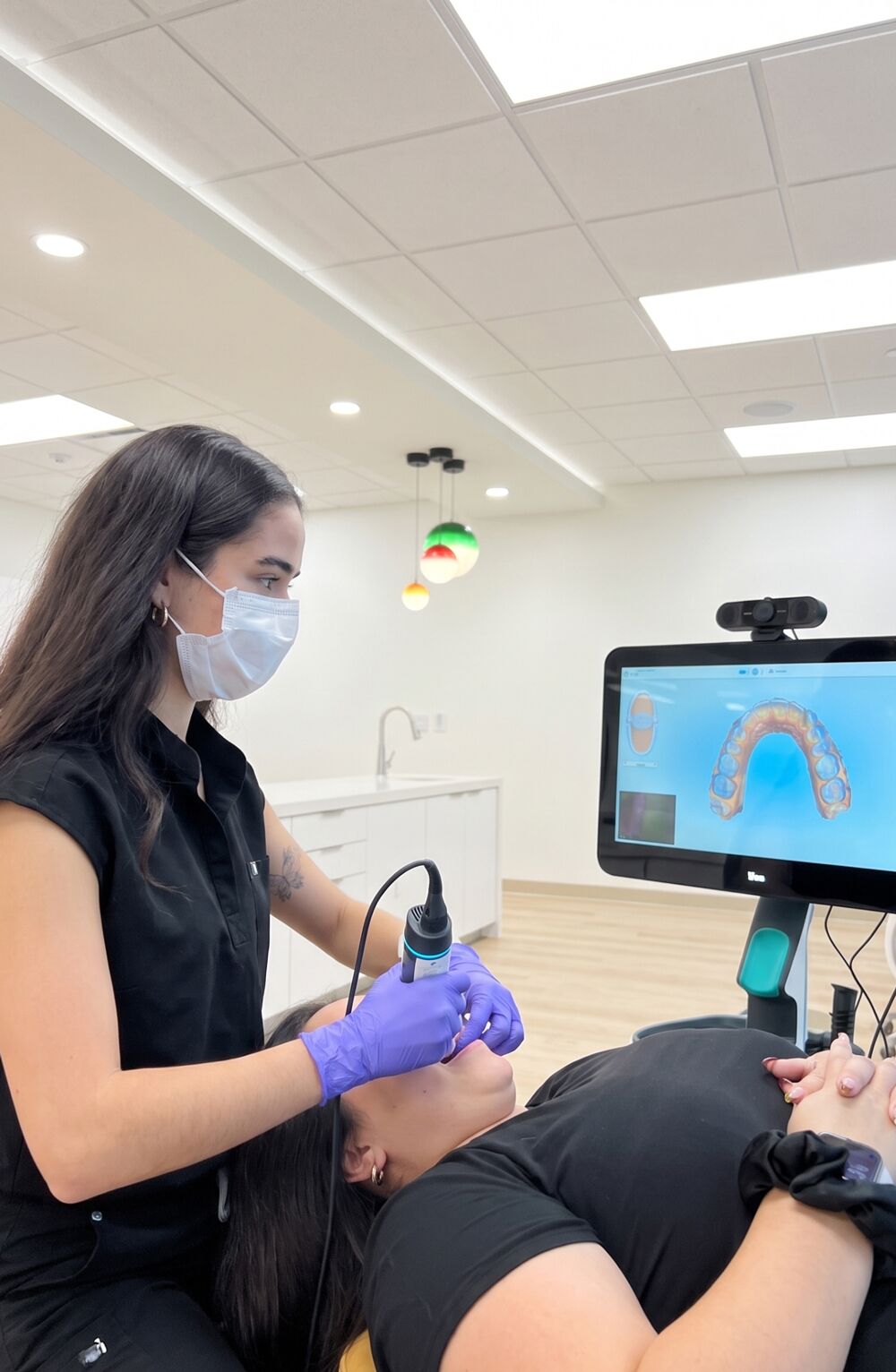
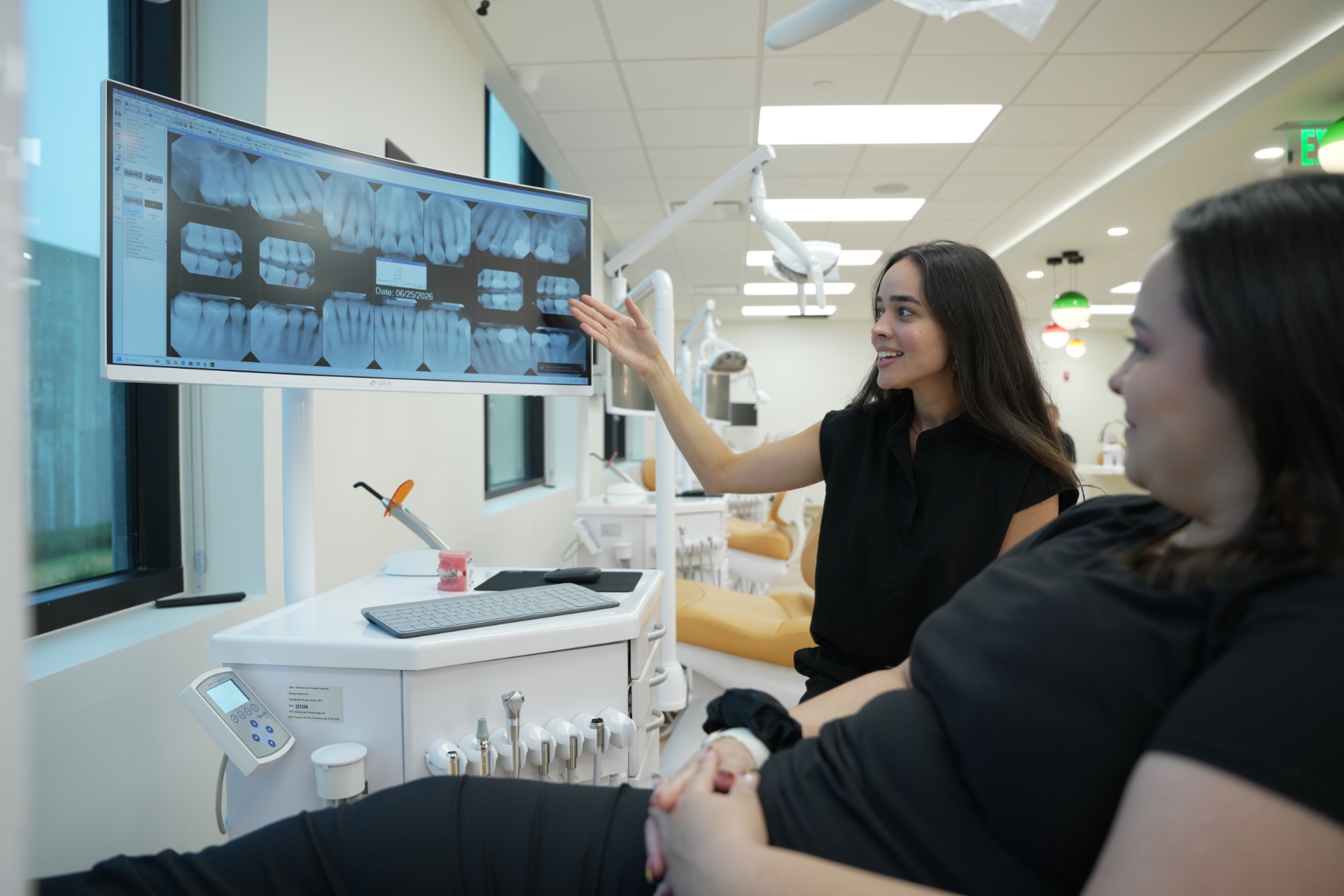
Digital scans, photographs, X-rays and 3D imaging may be used when clinically appropriate to help us understand your anatomy and restorative needs.
04
Design your treatment roadmap
We determine what can be preserved, what needs treatment and how each procedure should be sequenced. You’ll understand the options, stages and expected costs before moving forward.
05
Rebuild in coordinated phases
Treatment may involve periodontal care, root canal therapy, surgery, implants and restorative procedures depending on your individual plan. Each phase is completed with the final restorative goal in mind.
06
Complete & maintain your smile
Once your final restorations are completed, we evaluate function and provide a personalized maintenance plan.
Your Treatment Roadmap
Complex treatment becomes easier when you know what happens next.
Full mouth restoration may require several phases rather than one long procedure.
01
Phase 1 · Stabilize
Address active infection, pain, decay and urgent problems.
02
Phase 2 · Build the Foundation
Improve periodontal health, remove non-restorable teeth or complete grafting and other preparatory procedures when necessary.
03
Phase 3 · Restore & Replace
Rebuild damaged teeth and replace missing teeth using the restorations selected for your plan.
04
Phase 4 · Refine Function
Evaluate bite, comfort and how the restored teeth function together.
05
Phase 5 · Maintain
Protect your restored smile with personalized hygiene, professional maintenance and follow-up care.
Complex Doesn’t Have to Mean Confusing
You don’t need to know which procedure to ask for.
Patients considering full mouth restoration often arrive knowing something is wrong—but not knowing exactly what treatment they need. That’s completely reasonable.
Instead of asking you to choose between crowns, implants, bridges, dentures or other procedures, we start by identifying the problems. Then we build the solution.
Your plan may answer questions such as:
- Which teeth can be saved?
- Which teeth need to be rebuilt?
- Which teeth should be replaced?
- Are the gums healthy enough for restorative treatment?
- Is there enough bone for implants?
- Does the bite need to be addressed?
- Which treatments need to happen first?
- How many treatment phases will be required?
- What will each stage cost?
- How will the final smile be maintained?
By the end of the planning process, you should understand not only what we’re recommending—but why.
Comfort & Sedation
Comprehensive treatment can still be comfortable.
If you’ve delayed dental treatment because of anxiety, previous experiences or the amount of care you need, tell us.
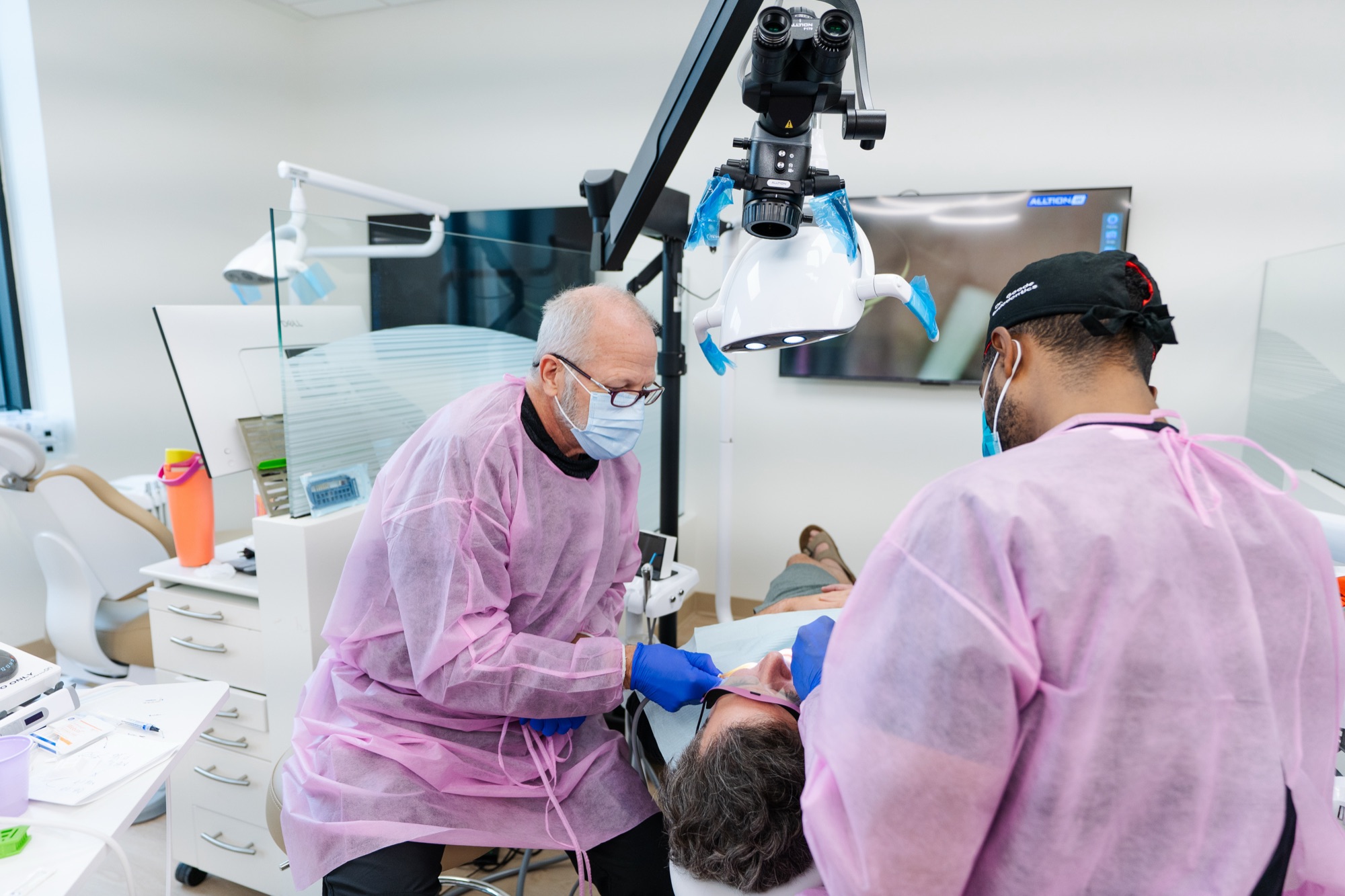
AIDM® offers multiple comfort and sedation options for appropriate patients and procedures.
Local Anesthesia
Used to comfortably numb the treatment area during individual procedures.
Nitrous Oxide
A lighter sedation option that may help reduce anxiety while you remain awake and responsive.
IV Sedation
May be appropriate for selected patients undergoing longer or more complex procedures.
Oral Sedation
Prescribed medication taken before your visit for patients who need a deeper level of relaxation.
Your medical history, treatment needs and procedure determine which option is appropriate.

Technology & Digital Planning
Plan the final result before completing the individual pieces.
Comprehensive treatment requires detailed planning.
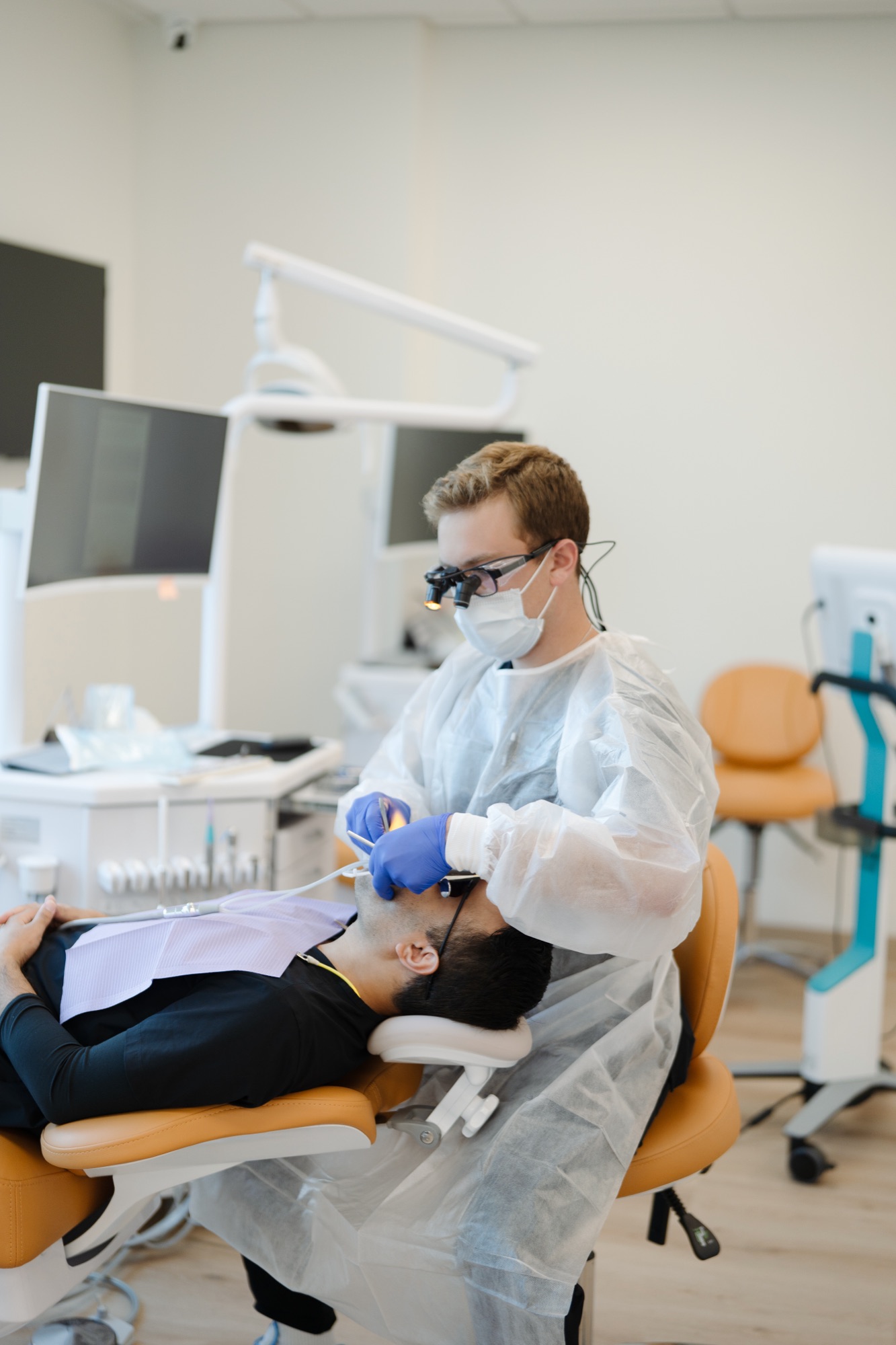
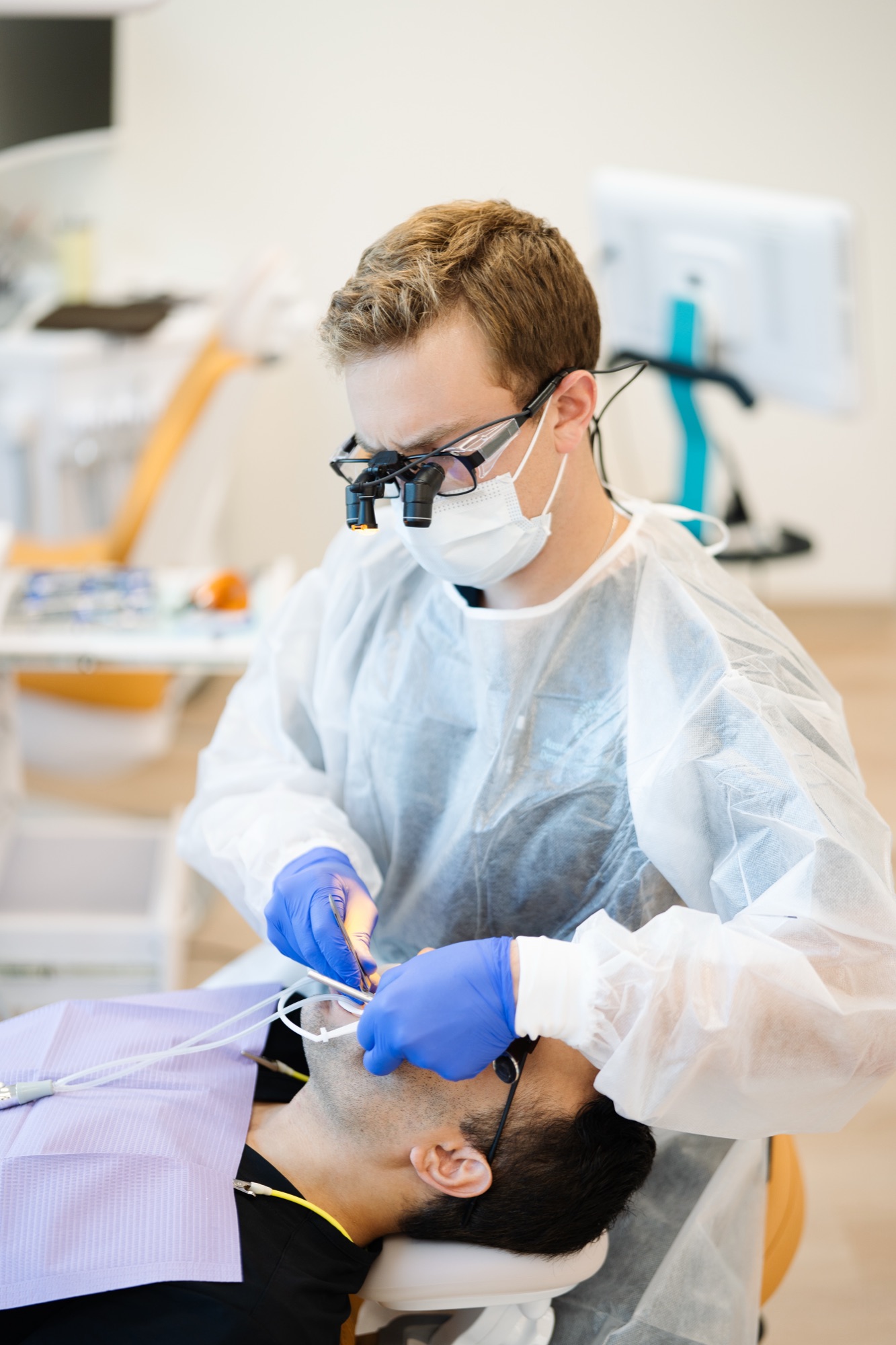
AIDM® uses digital technology throughout appropriate stages of complex restorative care.
3D CBCT Imaging
Provides detailed views of teeth, bone and surrounding anatomy when three-dimensional information is needed.
Digital Scanning
Creates digital models of your teeth and bite without relying solely on conventional impressions.
Digital Treatment Planning
Allows different phases of restorative, implant and surgical treatment to be coordinated around the same plan.
CAD/CAM & Digital Restorative Workflows
Digital design and manufacturing technology can support selected restorative procedures and complex treatment workflows.
In-House Laboratory Resources
Integrated laboratory capabilities can support communication between clinical planning and restorative design.
Pricing
A comprehensive plan deserves transparent pricing.
There isn’t one standard price for full mouth restoration because no two cases require the same combination of treatment.
One patient may need several crowns. Another may need periodontal therapy, extractions, implants and a combination of fixed restorations.
Comprehensive Full Mouth Evaluation
Personalized Treatment Plan
Your evaluation may include, when clinically appropriate:
- Comprehensive dental examination
- Evaluation of existing restorations
- Periodontal assessment
- Bite and functional evaluation
- Digital scans
- Photographs
- Appropriate X-rays or 3D imaging
- Review of treatment alternatives
- Sequenced treatment roadmap
- Cost review
Full Mouth Restoration
Personalized Pricing
Your final treatment investment depends on factors including:
- Number of teeth involved
- Condition of existing teeth
- Number and type of restorations
- Dental implant requirements
- Periodontal treatment
- Root canal treatment
- Surgical or grafting procedures
- Sedation requirements
- Laboratory and material selections
- Number of treatment phases
Before treatment begins, we’ll review the recommended sequence and expected costs with you.
Insurance & Financing
Make a complex treatment plan easier to manage.
Full mouth restoration often combines procedures with different insurance benefits.
Dental Insurance
Depending on your policy, medically necessary procedures such as crowns, periodontal treatment, root canal therapy, extractions or certain tooth-replacement treatments may qualify for benefits.
Financing Options
Financing may be available for qualifying comprehensive treatment.
Phased Treatment
When clinically appropriate, treatment can sometimes be organized into stages—allowing you to address priorities while working toward the complete restorative plan.
Full Mouth Restoration at AIDM®
Complex dentistry works better when the pieces are connected.
Full mouth restoration can involve restorative dentistry, prosthodontics, periodontics, endodontics, implant dentistry, oral surgery and sometimes orthodontics.
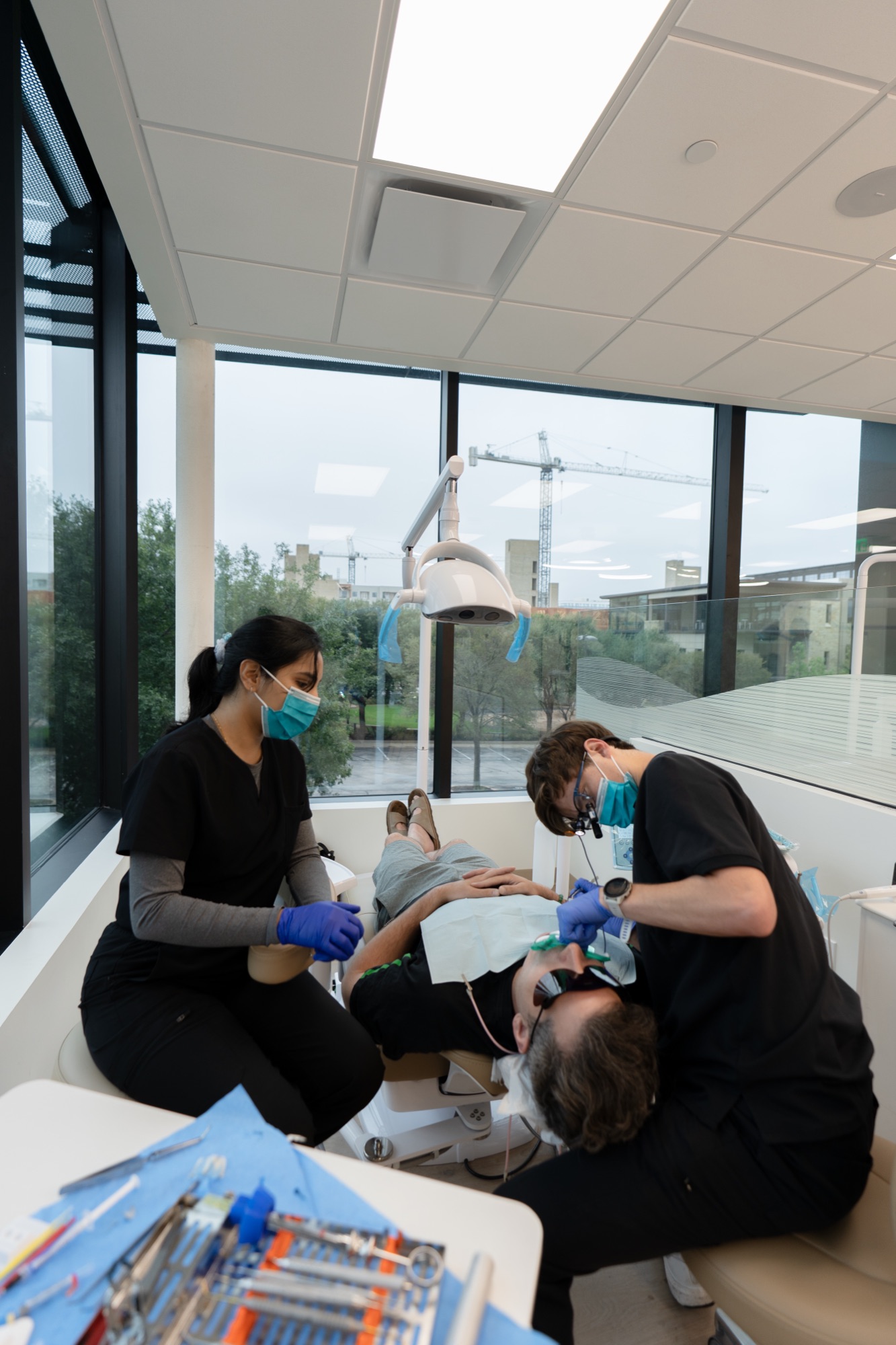
At AIDM®, these areas of care can be coordinated within one institute. That means the dentist restoring your teeth doesn’t have to plan in isolation from the clinicians managing your gums, implants, root canals or surgical needs.
The final restorative goal guides the individual phases.
A different standard of dental medicine
Featuring our clinical faculty
Faculty & Advanced Planning
Experience matters when the whole smile is involved.
Complex rehabilitation requires more than knowing how to place an individual crown.
It requires understanding how teeth, restorations, implants, supporting tissues and bite function need to work together.
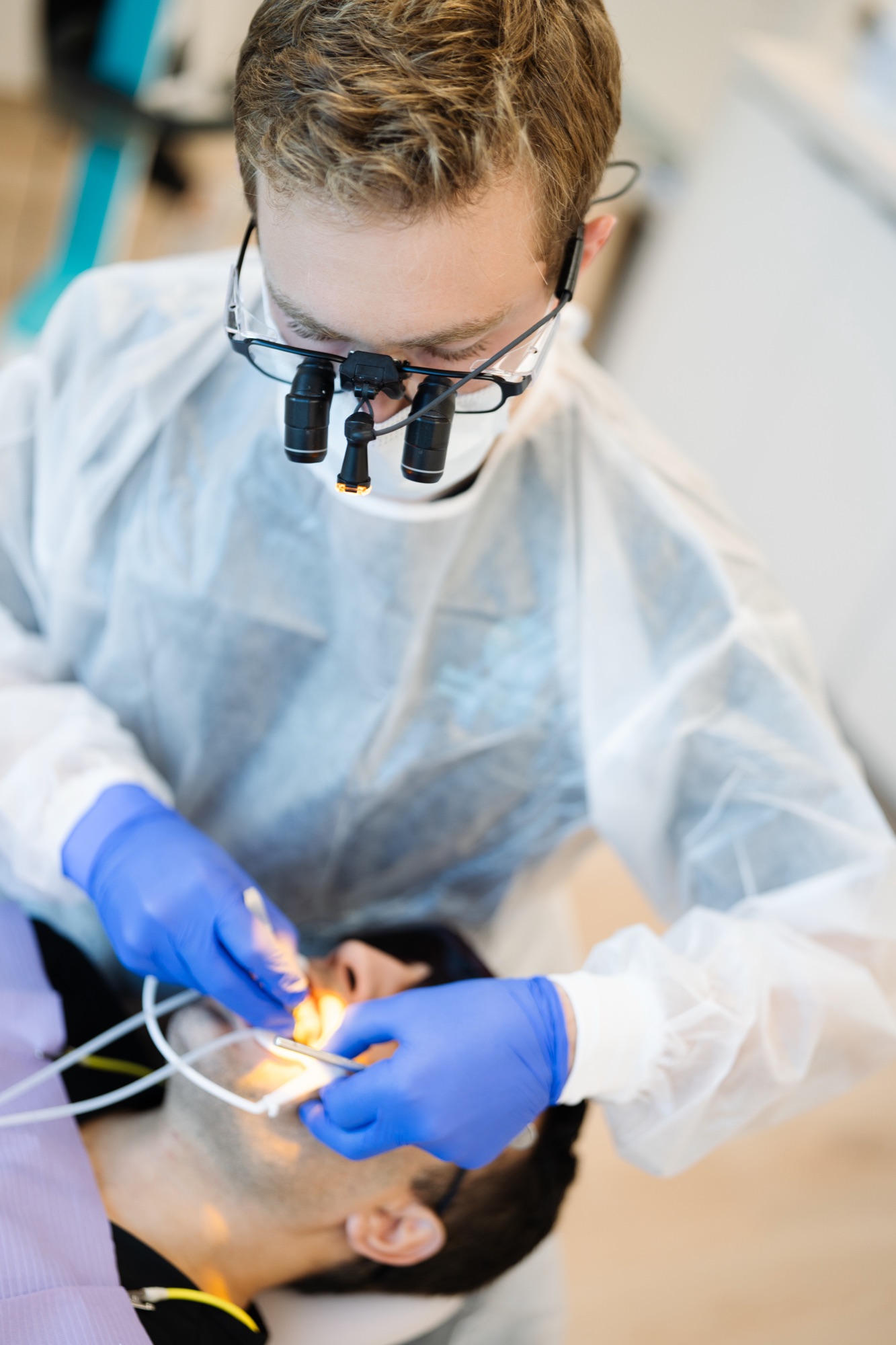
AIDM®’s academic and multidisciplinary environment allows complex restorative cases to benefit from collaborative planning and faculty guidance when appropriate.


Why AIDM®
One plan. Multiple disciplines. One location.
Comprehensive Planning
We evaluate your entire mouth and create a sequenced treatment roadmap rather than approaching each tooth as an isolated problem.
Multidisciplinary Care
Restorative, implant, periodontal, endodontic and surgical needs can be coordinated within AIDM®.
Advanced Digital Workflow
Digital imaging, scanning, restorative planning and in-house resources support communication throughout complex treatment.
Restorative Dentistry vs. Full Mouth Restoration
How is full mouth restoration different?
Restorative Dentistry
Restorative dentistry repairs or replaces damaged and missing teeth.
A patient may need a filling, crown, bridge, implant or denture without requiring reconstruction of the entire smile.
Full Mouth Restoration
Full mouth restoration becomes relevant when multiple dental problems need to be solved together.
Rather than focusing on one restoration, the treatment plan considers how numerous procedures need to work together across the smile.
If you’re unsure which level of care you need, you don’t have to decide before scheduling. Your evaluation will determine the appropriate approach.
“This was my first visit, and I had an amazing experience! Everyone was incredibly thorough during my consultation and took the time to explain all of the treatment options available for my situation. Dr. Bruneman was wonderful, and I…”
“Super grateful for my smooth experience at The Austin Institute of Dental Medicine. Shout out to the wonderful Dr. Qadi for her amazing work, attention to detail and professionalism. Her assist Tammy did a great job of ensuring my comfort…”
“Exceptional Care, Compassion, and Professionalism! I cannot express enough gratitude for the exceptional care my father received at Austin Institute of Dental Medicine. From the very first phone call to schedule an urgent appointment…”
“My main dentist was amazing and there were multiple professionals checking everything and making sure I got what I needed, everything was very clear, on pricing and communication. Great dental office, every staff member was very nice. I…”
“I was nervous an excited to go at the same time because I've been wanting my teeth fixed but I did not know what to expect. From the reception desk to Dr Dylan c McMahan both made me feel very welcoming and did a great job with my x-rays…”
“Dra. Guerrero and Tamy were awesome! Will definitely be back”
“I had such an amazing experience getting all four of my wisdom teeth extracted!! Stephanie Guerrero was amazing and made sure I was taken care of the entire way through, while answering all my questions, since it was my first time going…”
“Thank you very much to everyone, beautiful staff, excellent experience, and a giant thank you to Tammy, I didn't know I needed you until you showed up.”
“So nice, friendly and well educated versus other orthodontists that my daughter has been too. Thank you for seeing what others didn't. Would recommend this place to anyone in the Austin area.”
“I had a great experience with Dr. Nick Perron at AIDM! I got my braces here, and I couldn’t be happier with the care I received. Dr. Perron is very professional, knowledgeable, and genuinely cares about his patients. He always made sure I…”
“Dr.kalamchi,Dr.elhassan,Dr.apolonio, all did a wonderful job fixing my root canal and cleaning my teeth, took there time to make sure everything was done to perfection I greatly appreciated that”
“Dr. Yoo and his assistant Tammy were absolutely amazing. They walked me through the process of everything very well and were also incredibly professional.”
Save, Repair or Replace?
How each tooth is planned
We evaluate these decisions together rather than one tooth at a time.
| Save | Repair | Replace | |
|---|---|---|---|
| Applies to | Healthy or predictably treatable natural teeth | Damaged teeth that can be rebuilt | Teeth that are missing or cannot be predictably restored |
| Treatment may include | Kept as part of your restored smile | Fillings, onlays, crowns, root canal treatment or other appropriate care | Implants, bridges, dentures or another appropriate solution |
This comparison provides general information and is not a treatment recommendation. Suitability, timeline and outcome depend on individual clinical factors. Final treatment and fees are confirmed after clinical evaluation.
Common questions about full mouth restoration at AIDM®
What is full mouth restoration?
Full mouth restoration is a comprehensive approach for patients who have multiple damaged, worn or missing teeth or other overlapping dental problems.
Instead of treating each concern independently, several appropriate procedures are coordinated into one overall treatment plan.
Is full mouth restoration the same as a smile makeover?
Not exactly.
A smile makeover is generally driven primarily by cosmetic goals.
Full mouth restoration focuses on rebuilding oral function and health while also considering the appearance of the final restorations.
There can be overlap between the two.
How do I know if I need full mouth restoration?
You may benefit from comprehensive planning if you have multiple missing teeth, extensive wear, numerous damaged or failing teeth, difficulty chewing, significant bite concerns or years of accumulated dental problems.
An evaluation is necessary to determine the appropriate level of treatment.
Does every tooth need to be treated?
No.
Full mouth restoration does not mean automatically treating every tooth.
Healthy teeth may require no treatment, while other teeth may need repair or replacement.
The goal is to recommend only the treatment needed to create a stable overall result.
Can my natural teeth be saved?
Whenever clinically appropriate, preserving restorable natural teeth may be part of the treatment plan.
Whether an individual tooth can be saved depends on its remaining structure, root health, periodontal support and other factors.
Will I need dental implants?
Not necessarily.
Dental implants may be useful when teeth are missing or cannot be preserved, but bridges, dentures and other restorative approaches may also be appropriate.
Your anatomy and overall plan determine which options make sense.
What if I have gum disease?
Periodontal health needs to be considered before completing extensive restorative treatment.
If active gum disease is present, periodontal treatment may become an early phase of your reconstruction.
Can I be sedated for full mouth treatment?
AIDM® offers sedation options including nitrous oxide, oral sedation and IV sedation for appropriate patients and procedures.
The appropriate option depends on your health history and treatment needs.
How long does full mouth restoration take?
There is no universal timeline.
Treatment involving crowns alone can be very different from a reconstruction requiring periodontal therapy, grafting, dental implants and healing periods.
Once your treatment plan is complete, we’ll explain the expected sequence and timeline.
How much does full mouth restoration cost?
Costs vary significantly because each treatment plan is personalized.
The final investment depends on the number of teeth involved, types of restorations, implants, surgical needs, periodontal or endodontic treatment, materials, sedation and other factors.
You’ll receive a personalized treatment and cost plan before beginning care.
Can treatment be completed in stages?
Often, yes.
When clinically appropriate, treatment can be divided into phases based on urgent needs, foundational treatment and final restoration.
We’ll explain which parts of your plan need to happen in a specific order.
Is full mouth restoration covered by insurance?
Some procedures within a full mouth restoration may qualify for dental insurance benefits, while others may have limited or no coverage.
Benefits depend on the procedure and your individual plan.
Our team can help review applicable coverage.

Take the Next Step
Your smile may be complicated. Your next step doesn’t have to be.
You don’t need to decide whether you need crowns, implants, dentures, gum treatment or a full-mouth reconstruction before you contact us.
Start with the complete picture. We’ll evaluate what’s healthy, what can be saved, what needs attention and how the individual pieces can fit into one clear treatment plan.
Then you can make an informed decision about how to move forward.