
Oral & Maxillofacial Surgery In Austin, TX
Advanced surgical care.
One coordinated team.
From wisdom teeth removal and dental implants to bone regeneration, full-arch rehabilitation and biopsies, AIDM® brings surgical and restorative care together under one roof.
- Wisdom Teeth Removal — $749 for 2 Teeth / $1,499 for 4 Teeth*
Clinically reviewed by Dr. Nitin Raju, DDS, MD, Oral and Maxillofacial Surgeon · Last reviewed November 25, 2026
Oral & Maxillofacial Surgery At AIDM®
Surgery is sometimes the next step toward a healthier smile.
Not every dental problem can be solved with a filling, crown or other conservative treatment.
Oral surgery may be recommended to remove problematic teeth, replace missing teeth, rebuild lost bone, evaluate unusual tissue or prepare your mouth for more comprehensive dental treatment.
At Austin Institute of Dental Medicine, surgery isn’t treated as an isolated procedure.
Your surgical plan can be coordinated with restorative dentistry, implant care, periodontics, orthodontics and anesthesia when appropriate—helping each phase of treatment work toward the same long-term goal.
When Surgery May Help
Is oral surgery the right next step?
Your consultation helps determine whether surgery is necessary and which approach is appropriate for your situation.
Problematic Wisdom Teeth
Impacted, partially erupted or difficult-to-maintain wisdom teeth may require removal when they’re causing—or are at meaningful risk of causing—problems.
Missing or Failing Teeth
Dental implants or full-arch treatment may provide a fixed foundation for replacing teeth that cannot be predictably maintained.
Significant Bone Loss
Bone regeneration may be recommended when there isn’t enough healthy bone to support planned implant or restorative treatment.
Severely Damaged Teeth
Teeth that are fractured, infected or no longer predictably restorable may need extraction.
Jaw Muscle & TMJ Symptoms
For selected patients with muscle-related clenching or jaw discomfort, Botox may be considered as one component of a broader treatment plan.
Unusual Oral Tissue
Persistent lumps, lesions, discoloration or other tissue changes may require closer evaluation or biopsy.
Benefits
Surgical care with the bigger picture in mind.
01
Comprehensive Planning
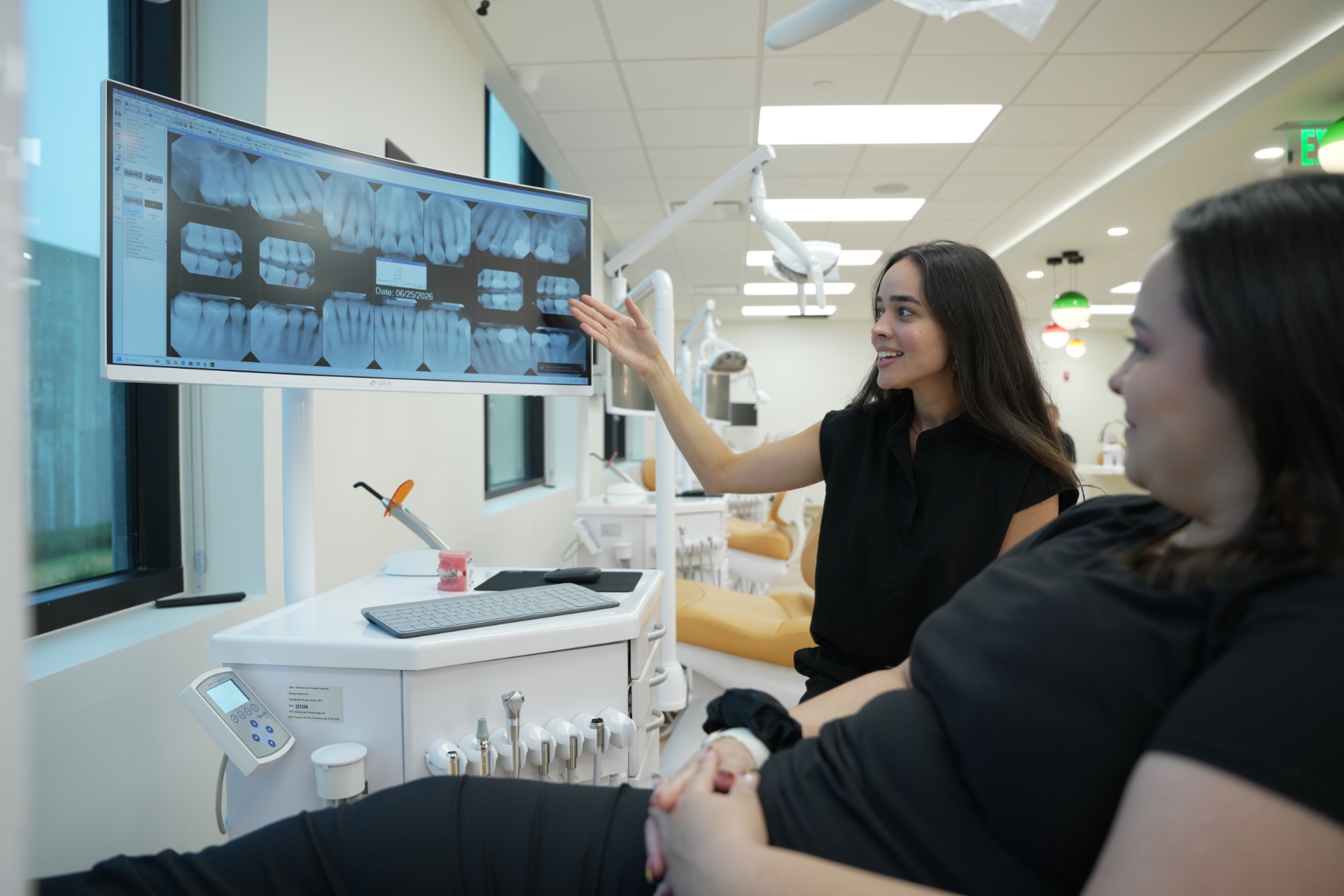
Clinical evaluation and appropriate 3D imaging help us understand your anatomy and plan treatment before surgery begins.
02
Multiple Services
AIDM® can coordinate a broad range of surgical procedures—from wisdom teeth and implants to grafting and full-arch treatment.
03
Comfort Options
Local anesthesia, nitrous oxide and deeper sedation options may be available depending on your procedure and individual needs.
04
Advanced Technology
CBCT imaging, digital treatment planning and guided surgical techniques can support precise care when clinically appropriate.
05
Connected Care
Your surgical treatment can be coordinated with the restorative or other dental care that comes before and after it.
Our Oral & Maxillofacial Surgery Services
Surgical solutions designed around your needs.
Your procedure depends on your diagnosis, oral health, anatomy and long-term treatment goals.

Full-arch Rehabilitation
Rebuild an entire smile with implant-supported teeth.
For patients with extensive tooth loss or failing teeth, full-arch rehabilitation can replace an upper or lower arch using strategically positioned dental implants.
Implants provide a stable foundation for a fixed restoration designed to restore function and appearance.
Depending on your anatomy and treatment plan, your care may involve:
- Removal of failing teeth
- Strategic implant placement
- Bone management when necessary
- A temporary fixed restoration when clinically appropriate
- Final implant-supported restoration
- Coordinated surgical and restorative planning
The goal is not simply to place implants—it’s to plan the surgery around the teeth they will eventually support.

Tooth & Wisdom Teeth Extractions
Remove problematic teeth with a comfort-first approach.
When a tooth cannot predictably be restored, extraction may be the appropriate treatment, from straightforward removal of visible teeth to surgical removal of impacted, fractured or more complex teeth. If the tooth will be replaced with a dental implant, the extraction and the restoration can be planned together.
Wisdom teeth can become impacted, partially erupt or develop problems because of their position at the back of the mouth. We use clinical evaluation and appropriate imaging to determine whether your wisdom teeth should be removed or monitored.
Comfort-First Wisdom Tooth Removal
2 Teeth — $749*
4 Teeth — $1,499*
Advertised fees include routine nitrous oxide administration.
Treatment may include:
- Pre-surgical evaluation
- Appropriate diagnostic imaging
- Routine nitrous oxide
- Post-operative instructions
- Recovery guidance
Requires pre-surgical evaluation to determine whether the patient is a candidate for in-office extraction. IV sedation, when requested or clinically required, is subject to additional fees.
Dental Implant Surgery
Replace missing teeth from the foundation up.
Dental implants replace missing tooth roots and provide support for crowns, bridges or full-arch restorations.
AIDM® uses digital planning to determine implant position according to your anatomy and future restoration.
Implant treatment may include:
- Single-tooth implant placement
- Multiple dental implants
- Full-arch implant solutions
- Computer-guided implant placement
- Immediate implant placement in appropriate cases
Because surgical and restorative care can be coordinated within AIDM®, implant position can be planned with the final tooth replacement in mind.
Bone Grafting & Regeneration
Rebuild bone where your smile needs more support.
Bone can gradually change after tooth loss, infection or trauma.
When there isn’t enough bone to support future treatment, guided bone regeneration may be used to rebuild the area. Depending on your needs, this can include socket preservation after an extraction, ridge augmentation where bone volume has been lost, or a sinus lift to support implants in the upper jaw.
The procedure uses appropriate grafting materials and membranes to support new bone formation during healing.
Bone regeneration may be considered:
- Following extraction
- Before dental implant placement
- At the time of implant placement in selected cases
- When previous tooth loss has reduced bone volume
- As part of more comprehensive reconstruction
3D imaging helps us evaluate existing bone and determine whether grafting is appropriate.
TMJ Botox
Target overactive jaw muscles as part of comprehensive TMJ care.
Clenching and grinding can overwork the muscles responsible for jaw movement.
For selected patients, Botox may be used to temporarily reduce excessive muscle activity as part of a broader TMJ management plan.
Treatment may be considered for symptoms associated with:
- Jaw-muscle tension
- Clenching
- Grinding
- Muscle-related facial discomfort
- Certain muscle-related headaches
Botox isn’t appropriate for every cause of TMJ symptoms.
A comprehensive evaluation helps determine whether your symptoms are muscular, joint-related or associated with another condition—and whether Botox should be part of your treatment.
Hard & Soft Tissue Biopsies
Get answers about unusual changes in your mouth.
A persistent area of abnormal tissue deserves proper evaluation.
When an area requires further investigation, a biopsy allows a small tissue sample to be examined to help establish a diagnosis.
A biopsy may be considered for:
- Persistent oral lesions
- Unexplained lumps or growths
- Unusual areas of discoloration
- Hard-tissue abnormalities
- Soft-tissue changes
- Areas that aren’t healing normally
When appropriate, AIDM® coordinates the tissue sample with pathology services for evaluation and next-step recommendations.
A biopsy does not automatically mean cancer is suspected. It is a diagnostic tool used to determine what an abnormal area represents.
The process
Five steps from consultation to recovery.
01
Start with a consultation
Tell us what’s happening, what you’ve been referred for and any symptoms or concerns you have.
02
Evaluate & diagnose
We’ll review your medical and dental history, perform a clinical examination and obtain appropriate diagnostic imaging when necessary.
03
Build your treatment plan
Your care team explains whether surgery is recommended, available alternatives, sedation options, expected costs and what to expect during recovery.
04
Complete your procedure
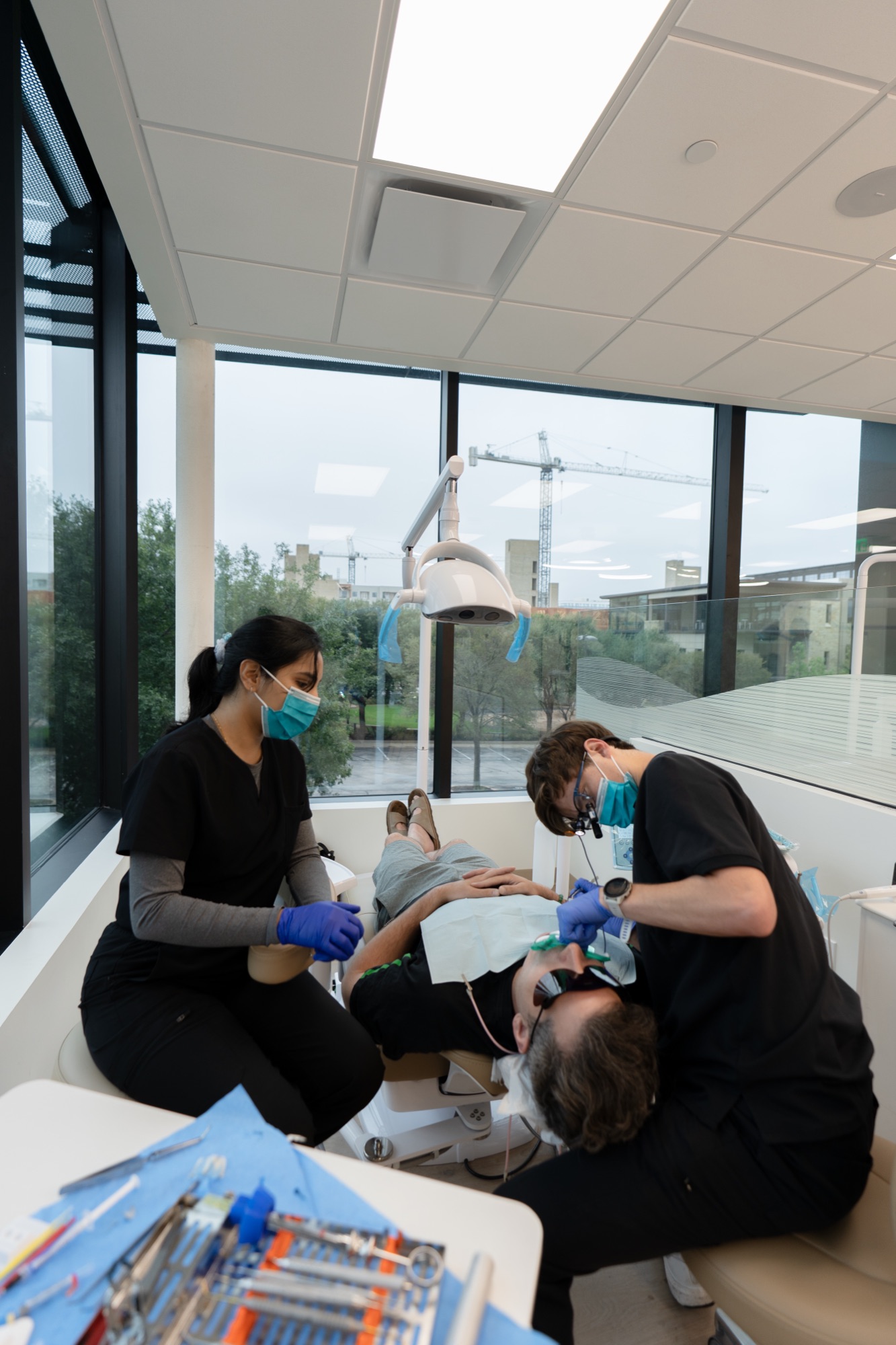
Your surgery is performed according to your personalized treatment plan with appropriate anesthesia, monitoring and clinical protocols.
05
Recover & continue your care
You’ll receive procedure-specific aftercare instructions and follow-up recommendations. If surgery is one stage of implant, restorative or other treatment, we’ll coordinate the next phase.
Comfort & Sedation
A surgical plan should include a comfort plan.
Feeling anxious about oral surgery is common.
AIDM® offers local anesthesia and several levels of sedation so your care team can recommend an option appropriate for your procedure, health history and individual needs.
Local Anesthesia
Numbs the treatment area while you remain fully awake.
Nitrous Oxide
Provides light sedation to help you feel more relaxed during treatment.
IV Sedation
Provides a deeper level of sedation for appropriate patients and procedures.
Oral Sedation
Prescribed medication taken before your visit for patients who need a deeper level of relaxation.
Your team will review preparation, transportation and recovery requirements whenever sedation is part of your treatment.
Surgical Technology
Plan carefully before treatment begins.
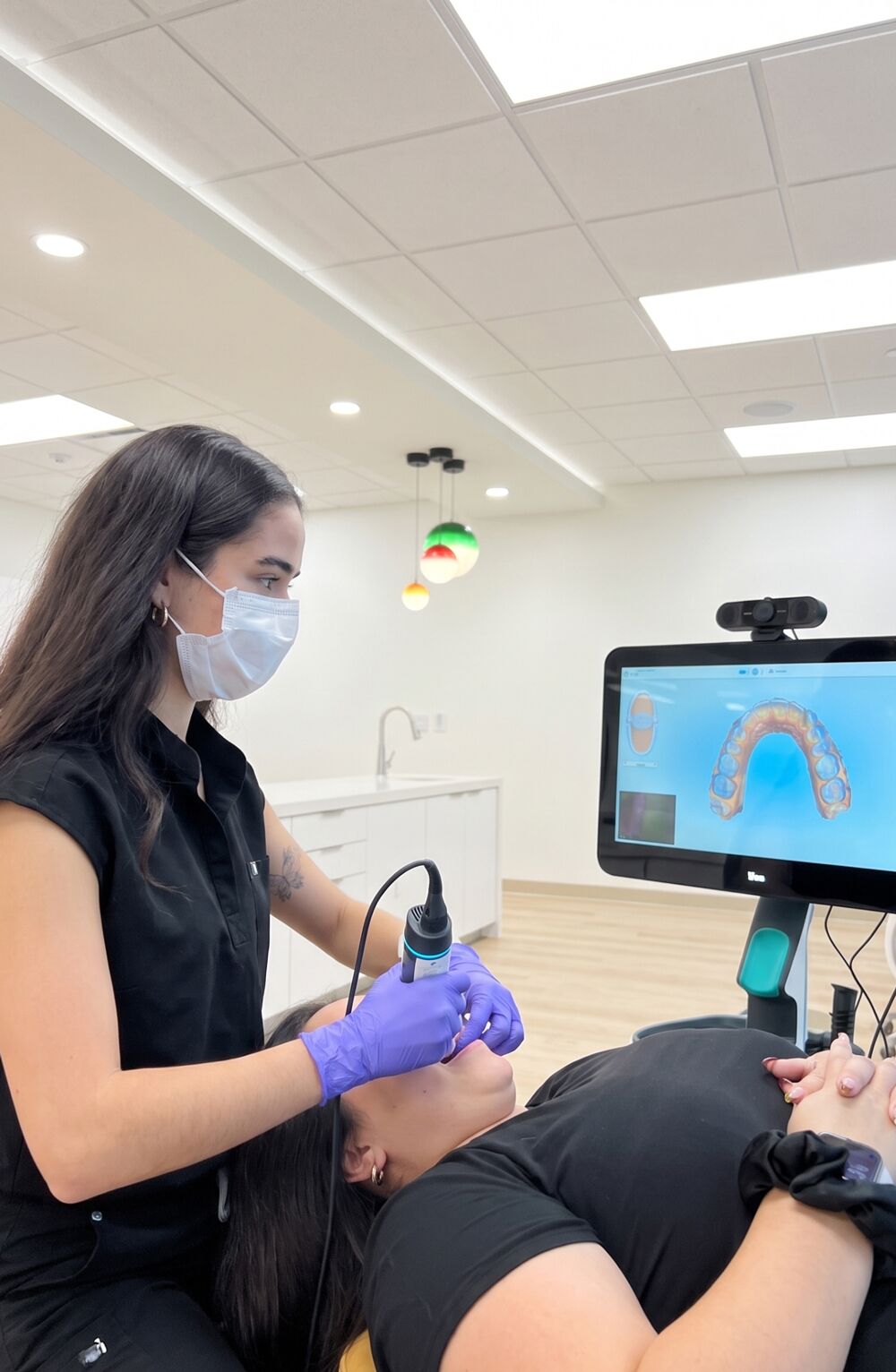
Modern surgical care depends on understanding anatomy before making clinical decisions.
AIDM® incorporates digital technology throughout appropriate surgical workflows.
CBCT 3D Imaging
Three-dimensional imaging provides detailed views of teeth, bone and surrounding anatomical structures when clinically indicated.
Digital Treatment Planning
Digital records allow surgical and restorative teams to coordinate treatment before the procedure begins.
Guided Implant Systems
Computer-guided techniques may assist with implant positioning in appropriate cases.
Integrated Digital Workflow
Surgical planning can be connected with restorative treatment so each phase works toward the same final outcome.
Pricing
Understand the plan—and the cost—before surgery.
Oral surgery costs depend on the procedure, complexity, imaging, sedation and any additional treatment required.
Wisdom Teeth Removal
2 Teeth — $749*
4 Teeth — $1,499*
Includes routine nitrous oxide administration.
IV sedation, when requested or clinically required, carries an additional fee.
A pre-surgical evaluation is required to determine whether you’re a candidate for in-office extraction at the advertised fee.
Other Oral Surgery
Personalized Pricing
Pricing for implants, bone regeneration, full-arch treatment, biopsies, TMJ Botox and other surgical procedures depends on your individual treatment plan.
Before moving forward, we’ll explain:
- Recommended procedure
- Treatment phases
- Sedation requirements
- Applicable insurance benefits
- Expected patient costs
- Available financing options
Insurance & Financing
Insurance coverage varies significantly depending on the procedure and your individual plan.
Some surgical procedures may qualify for dental or medical insurance benefits, while others may have limited coverage.
Before treatment, we’ll explain your surgical options and expected costs so you can make an informed decision.
Insurance Benefits
Our team can help review applicable benefits and estimate your expected out-of-pocket responsibility.
Financing Options
Financing may be available for qualifying surgical and restorative treatment.
Coordinated Treatment Planning
For multi-stage procedures such as implants or full-arch rehabilitation, we’ll explain how surgical and restorative costs fit into the complete treatment plan.
Oral & Maxillofacial Surgery At AIDM®
Surgery and restoration planned together.
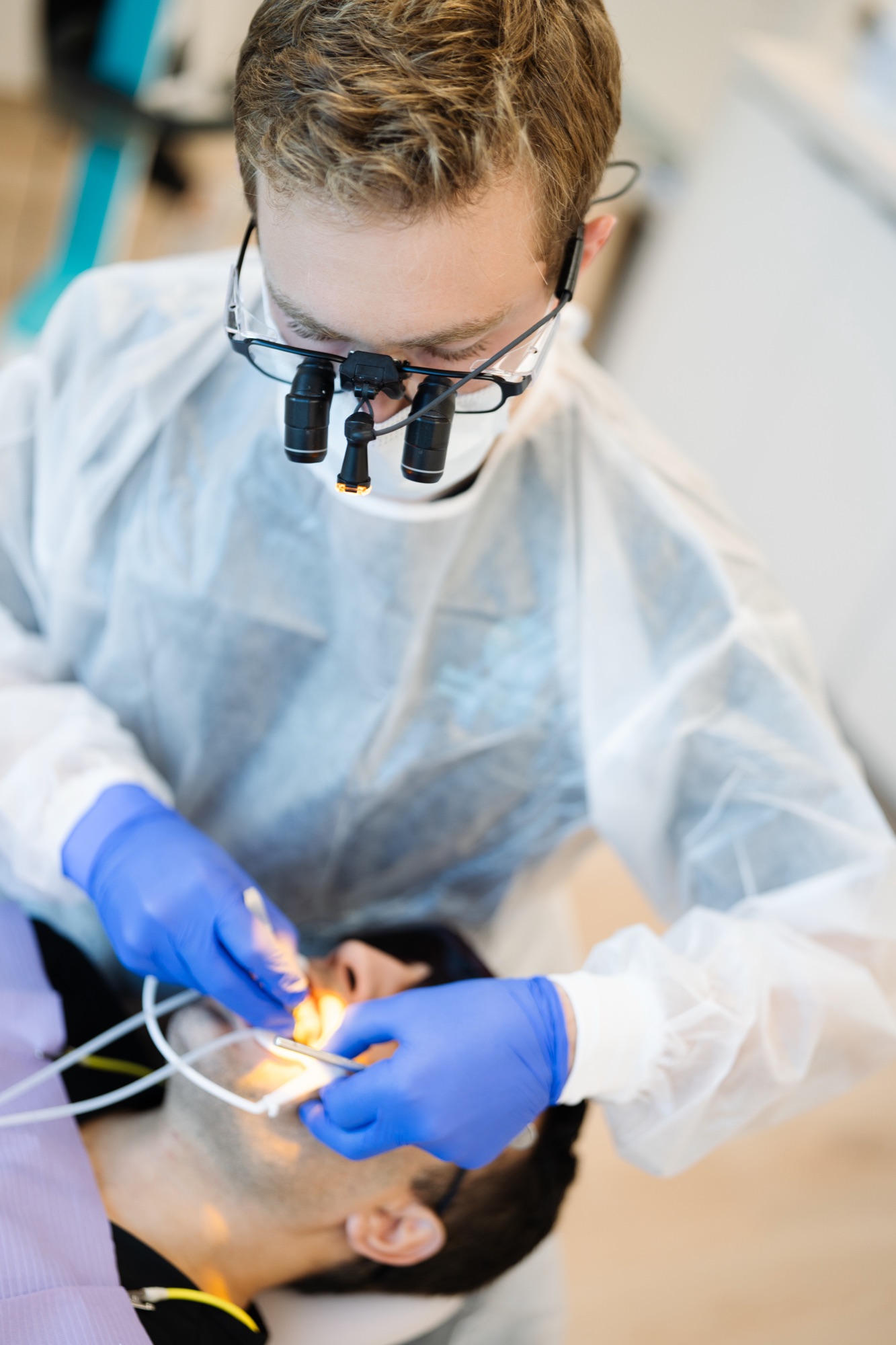
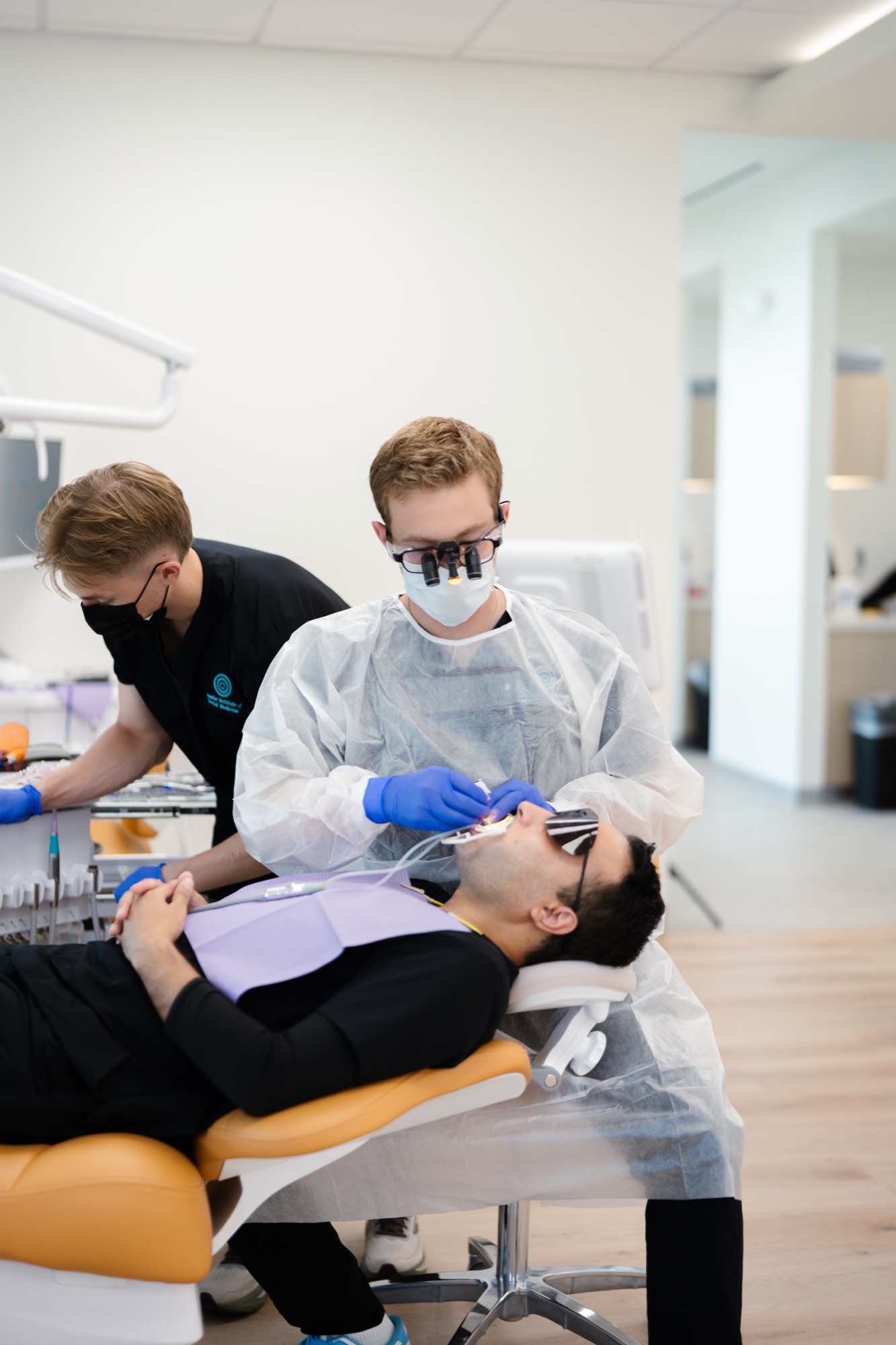
Some dental offices send patients elsewhere for the next phase of care. At AIDM®, surgery can be coordinated with implants, restoration and other dental needs—helping maintain continuity throughout treatment.
A different standard of dental medicine
Featuring our clinical faculty
Why AIDM®
Comprehensive care under one roof.
Collaborative Planning
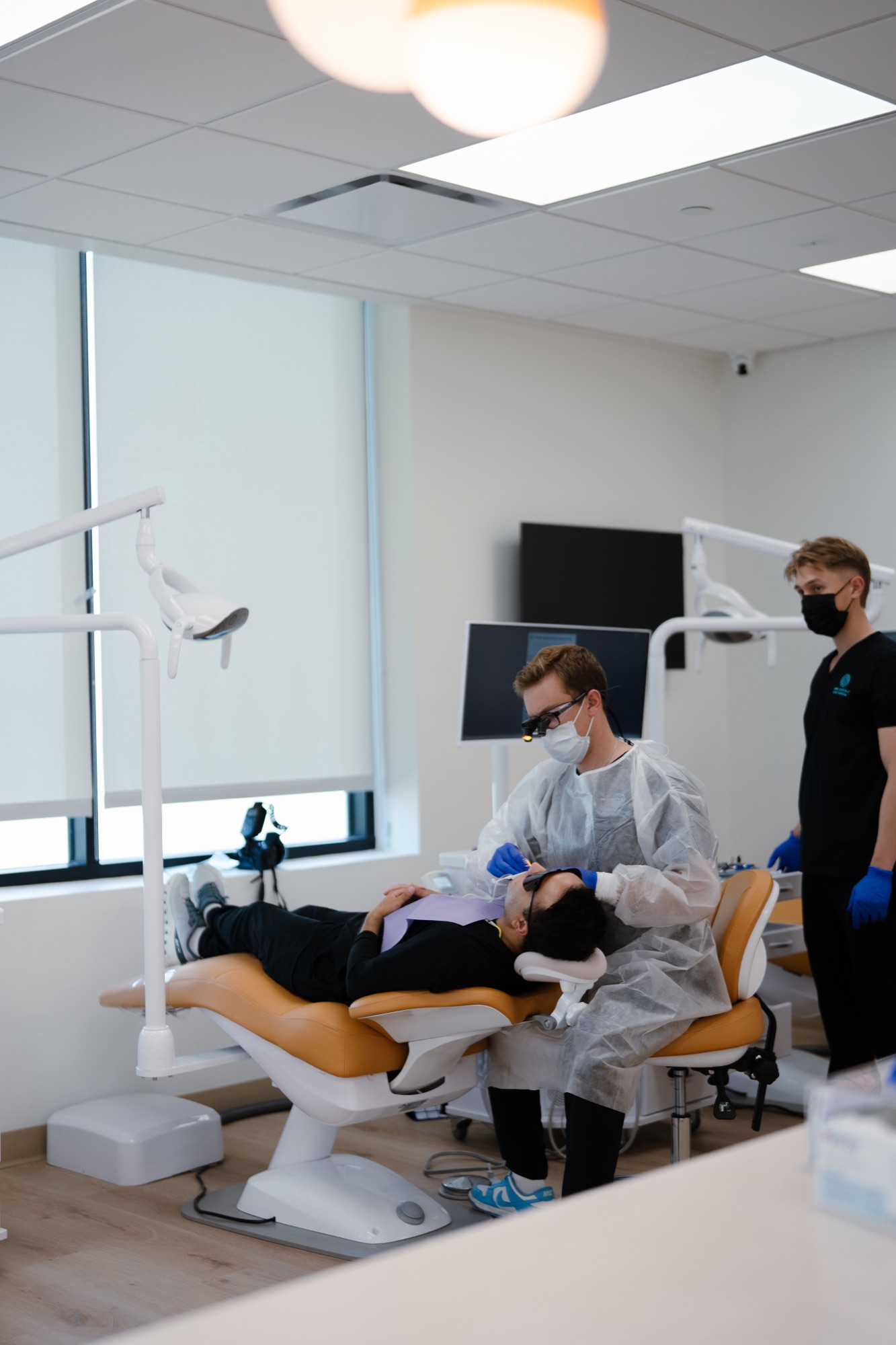
Surgical care can be coordinated with restorative dentistry, periodontics, orthodontics and anesthesia providers when appropriate.
Advanced Technology
3D imaging, digital planning and guided techniques support diagnosis and surgical planning.
Connected Treatment
From initial evaluation through surgery, recovery and restorative care, your treatment can stay connected within AIDM®.
After Oral Surgery
A smoother recovery starts with following your instructions.
Recovery varies by procedure, so always follow the personalized instructions provided by your AIDM® care team.
Manage Discomfort
Use prescribed or recommended medications according to your instructions. Cold compresses may be recommended during the early recovery period.
Protect the Surgical Area
Avoid touching or disturbing the surgical site and follow your team’s instructions regarding rinsing and other activities.
Choose Appropriate Foods
Soft foods are commonly recommended initially, followed by a gradual return to your regular diet as healing allows.
Keep Your Mouth Clean
Follow your personalized instructions for brushing, rinsing and cleaning around the surgical site.
Rest
Avoid strenuous activity for the period recommended by your surgical team.
Monitor Your Recovery
Contact AIDM® if you experience symptoms outside the recovery expectations explained by your care team.
“This was my first visit, and I had an amazing experience! Everyone was incredibly thorough during my consultation and took the time to explain all of the treatment options available for my situation. Dr. Bruneman was wonderful, and I…”
“Super grateful for my smooth experience at The Austin Institute of Dental Medicine. Shout out to the wonderful Dr. Qadi for her amazing work, attention to detail and professionalism. Her assist Tammy did a great job of ensuring my comfort…”
“Exceptional Care, Compassion, and Professionalism! I cannot express enough gratitude for the exceptional care my father received at Austin Institute of Dental Medicine. From the very first phone call to schedule an urgent appointment…”
“My main dentist was amazing and there were multiple professionals checking everything and making sure I got what I needed, everything was very clear, on pricing and communication. Great dental office, every staff member was very nice. I…”
“I was nervous an excited to go at the same time because I've been wanting my teeth fixed but I did not know what to expect. From the reception desk to Dr Dylan c McMahan both made me feel very welcoming and did a great job with my x-rays…”
“Dra. Guerrero and Tamy were awesome! Will definitely be back”
“I had such an amazing experience getting all four of my wisdom teeth extracted!! Stephanie Guerrero was amazing and made sure I was taken care of the entire way through, while answering all my questions, since it was my first time going…”
“Thank you very much to everyone, beautiful staff, excellent experience, and a giant thank you to Tammy, I didn't know I needed you until you showed up.”
“So nice, friendly and well educated versus other orthodontists that my daughter has been too. Thank you for seeing what others didn't. Would recommend this place to anyone in the Austin area.”
“I had a great experience with Dr. Nick Perron at AIDM! I got my braces here, and I couldn’t be happier with the care I received. Dr. Perron is very professional, knowledgeable, and genuinely cares about his patients. He always made sure I…”
“Dr.kalamchi,Dr.elhassan,Dr.apolonio, all did a wonderful job fixing my root canal and cleaning my teeth, took there time to make sure everything was done to perfection I greatly appreciated that”
“Dr. Yoo and his assistant Tammy were absolutely amazing. They walked me through the process of everything very well and were also incredibly professional.”
Common Questions About Oral & Maxillofacial Surgery At AIDM®
How do I know if I need oral surgery?
A clinical evaluation and appropriate imaging are needed to determine whether surgery is the best option.
Surgery may be considered for impacted teeth, non-restorable teeth, missing teeth, bone loss, certain oral tissue abnormalities or other conditions that cannot be predictably managed with more conservative treatment.
Is oral surgery painful?
Appropriate anesthesia is used during surgical procedures to keep the treatment area comfortable.
Sedation options may also be available depending on the procedure and your individual needs.
Some discomfort after surgery is normal, and you’ll receive instructions for managing your recovery.
How much does wisdom teeth removal cost?
AIDM® currently advertises $749 for removal of 2 qualifying wisdom teeth or $1,499 for 4 teeth, including routine nitrous oxide.
A pre-surgical evaluation is required. IV sedation, if requested or clinically necessary, is an additional cost.
Do all wisdom teeth need to be removed?
No.
Whether removal is recommended depends on factors such as position, symptoms, eruption, surrounding tissues and risk of future problems.
Your evaluation helps determine whether removal or continued monitoring is appropriate.
Can I be sedated for oral surgery?
Yes, different anesthesia and sedation options may be available depending on your procedure and medical history.
These can range from local anesthesia and nitrous oxide to oral or IV sedation for appropriate cases.
Can multiple procedures be completed together?
Sometimes.
For example, an extraction and bone graft may be performed during the same visit, or certain implant-related procedures may be coordinated.
Whether procedures should be combined depends on your treatment plan and clinical circumstances.
Will I need a bone graft before getting an implant?
Not everyone needs bone grafting.
It depends on the amount and quality of bone available at the planned implant site.
3D imaging and clinical evaluation help determine whether additional bone is necessary.
How long does recovery take after oral surgery?
Recovery time depends on the type of procedure and how your body heals, but most patients are able to resume normal daily activities within a short window when post-operative instructions are followed.
- Wisdom teeth extractions: 2–4 days initial healing; 5–7 days soreness
- Dental implants: 1–3 days downtime; 3–6 months bone integration
- Full-arch rehabilitation (All-on-X): 3–7 days activity limits; 1–2 weeks initial healing
- Guided bone regeneration: 2–5 days discomfort; 3–6 months bone healing
- Hard or soft tissue biopsies: 1–3 days tenderness; site-dependent healing
Your care team will provide specific guidance based on your procedure and overall treatment plan, so you know what to expect at each stage of healing.
What can I eat after oral surgery?
Soft foods are commonly recommended during the early stages of recovery.
Your surgical team will give you specific instructions about what to eat, what to avoid and when you can gradually return to your normal diet.
Can you place a dental implant when a tooth is removed?
In selected cases, an implant may be placed at the time of extraction.
Whether immediate implant placement is appropriate depends on factors including infection, bone availability, anatomy and the long-term restorative plan.
What is bone grafting?
Bone grafting is used to rebuild or preserve areas where additional bone is needed.
It may be performed after an extraction or before implant treatment depending on your anatomy and treatment plan.
What happens if an unusual area is found in my mouth?
Your clinical team will evaluate the area and determine whether monitoring, additional diagnostic testing or biopsy is appropriate.
If a biopsy is recommended, the tissue is examined to determine the nature of the abnormality.
Does dental insurance cover oral surgery?
Coverage depends on your insurance plan and the procedure being performed.
Our team can help review applicable benefits and expected costs before treatment.
Do I need a referral?
Referrals are not required—consultations can be scheduled with our team at AIDM® directly.

Take the next steps
Find out what your smile needs next.
Whether you’re dealing with problematic wisdom teeth, missing or failing teeth, bone loss, jaw-muscle symptoms or an unusual area of oral tissue, start with an evaluation.
We’ll determine whether surgery is appropriate, explain your options and help you understand the procedure, comfort plan, recovery and expected costs before you move forward.